
Garage Floor Paint vs Tiles: Which Is Best for UK Garages?
Cheap and cheerful, or done properly? When it comes to a garage floor, that is really the choice between paint and tiles. Floor paint is the low-cost option everyone reaches for first, but it does not always last. Interlocking tiles cost more up front and give a very different result. Here is an honest UK comparison so you spend once and get it right.
Key Takeaways
- Floor paint is cheap and quick but wears, peels, and needs redoing.
- Interlocking tiles cost more up front but last for years with no prep.
- Paint needs a clean, dry, well-prepared slab to stand any chance.
- For most garages, tiles are the lower-hassle long-term choice.
What Is Garage Floor Paint?
Garage floor paint is a specialist coating rolled or brushed straight onto the concrete. It seals the surface, cuts dust, and gives a cleaner, easier-to-sweep finish.
It is the cheapest way to smarten up a bare slab, and a keen DIYer can do it in a weekend.
The catch is that it is only as good as the preparation and the concrete underneath. On a damp or oily slab, it struggles.
This guide is about DIY floor paint. If you are weighing up a professional resin coating instead, our garage floor coating vs tiles guide covers that comparison.
What Are Interlocking Floor Tiles?
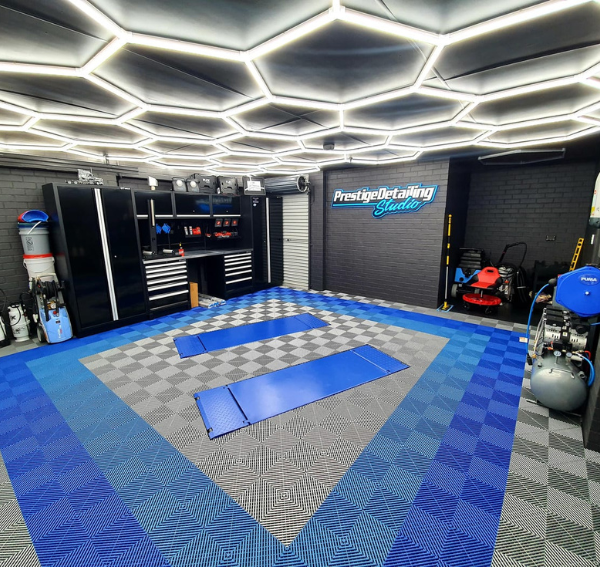
Interlocking tiles are hard-wearing tiles that click together loosely over the concrete, with no glue and no paint.
They cover cracks and stains instantly, add grip, and transform how the garage looks in a few hours.
Our EVOtile Professional tiles are built for exactly this, laying straight over a slab with no preparation.
Preparation: Where Paint Gets Hard
This is the part people underestimate. For paint to stick, the concrete must be clean, dry, oil-free, and often etched or primed first.
Any moisture in the slab, and UK garages get plenty, and the paint bubbles or peels within months. Old, dusty, or previously painted floors need even more work.
Tiles skip all of this. A sweep of the floor is usually all the preparation they need.
How Long Each One Lasts
Floor paint in a working garage takes a beating. Tyres, jacks, dropped tools, and hot wheels lift and scuff it, so it often needs redoing every few years.
Tiles are far tougher. They shrug off the same use for many years, and if one ever gets damaged you simply swap that single tile.
Over a decade, a painted floor may be redone several times while a tiled floor is still going strong.
Cost Compared
Paint wins on the first bill. A few tins and a roller cost little, which is exactly why it is so popular.
Tiles cost more up front, priced by the square metre or in garage bundles. But there is no primer, no fitter, and no redoing every few years.
Counted over the life of the floor, the gap narrows a lot, and tiles often work out better value once you add up the repaints.
Looks and Grip
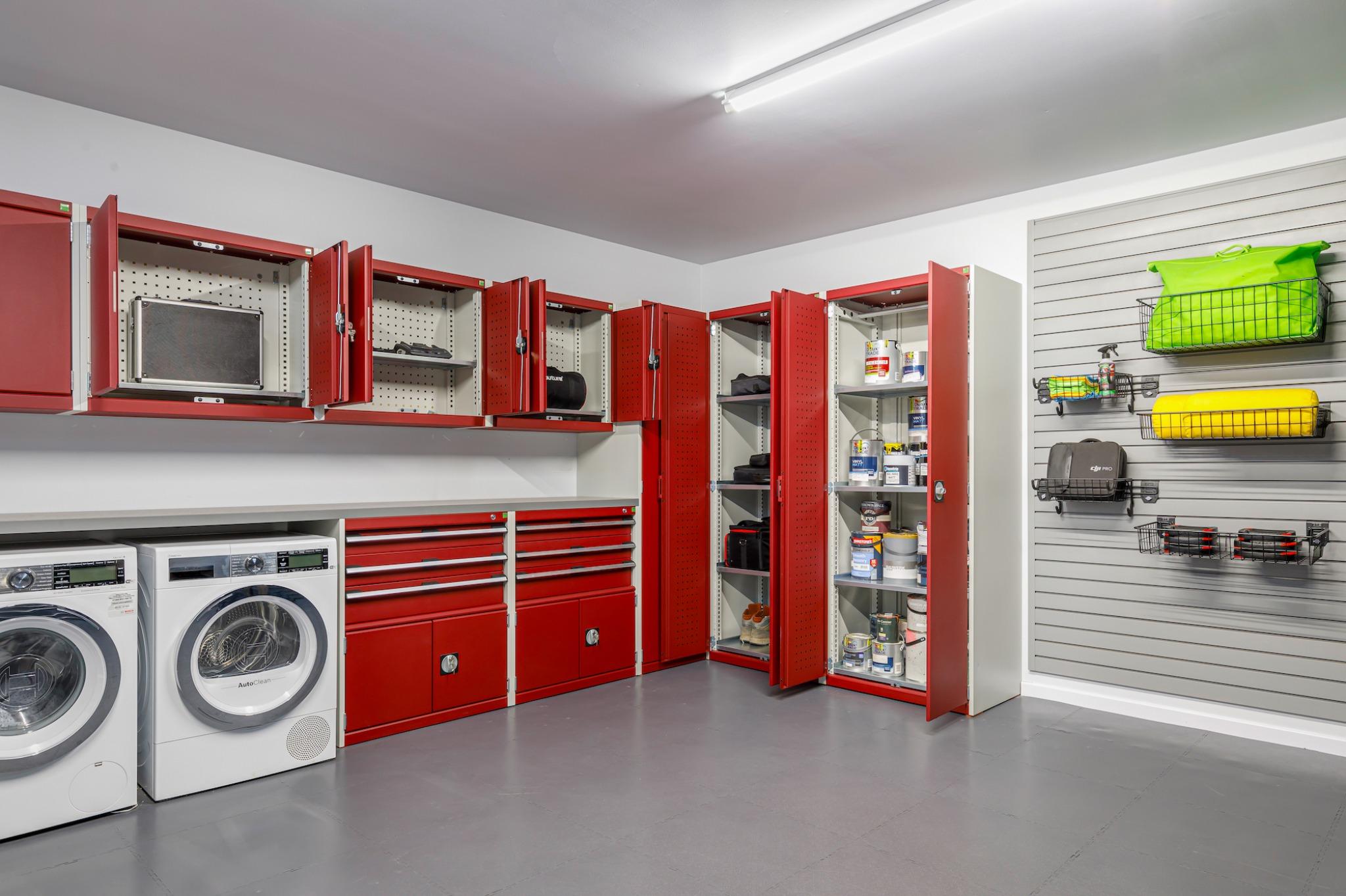
Paint gives a smooth, uniform colour that looks smart when fresh. But smooth paint can get slippery when wet, especially with a car dripping onto it.
Tiles come in a range of colours and a textured surface that adds grip. You can lay a two-tone design or mark out zones, which paint cannot do as easily.
For the full range of finishes, see our floor tile range guide.
Dealing With Damp
Damp is the deciding factor in many UK garages. Paint traps against a slab that never fully dries, then lifts.
Tiles sit loose, so air can move underneath, and vented tiles even let water drain away. That makes them far more forgiving in a cold, damp garage.
If your floor is ever wet, tiles are the safer bet by a distance.
Can You Put Tiles Over Old Floor Paint?
Here is a bonus of tiles that paint fans do not expect. If you already have a painted floor that is peeling or tired, you do not have to strip it back.
Interlocking tiles lay straight over the top of old paint, hiding it completely. Because they clip together loose rather than bonding to the surface, the state of the paint underneath does not matter.
That makes tiles the easy escape route when a painted floor has finally given up.
Best Choice for a Gym or Workshop
How you use the garage tips the balance too. In a workshop, dropped tools and dragged benches chip paint quickly, while tiles shrug it off.
In a home gym, paint offers no cushioning and gets slippery, whereas anti-fatigue tiles add comfort and grip.
For any hard-working garage, the durability and comfort of tiles pull well ahead of a painted slab.
Which Should You Choose?
Choose paint if you want the cheapest quick refresh, your slab is dry and sound, and you do not mind redoing it in a few years.
Choose tiles if you want a floor that lasts, needs no prep, hides cracks and stains, and copes with damp and heavy use.
For most working garages, tiles are the lower-hassle choice that looks good for longer. Finish the edges with ramps for a clean result.
FAQ: Garage Floor Paint vs Tiles
- Is garage floor paint any good? On a clean, dry, well-prepared slab it gives a cheap, tidy finish. But it wears and peels under heavy use and struggles with damp, so it often needs redoing every few years.
- Are floor tiles better than paint for a garage? For durability and ease, yes. Tiles lay with no prep, hide cracks and stains, cope with damp, and last for years, while paint needs careful prep and regular redoing.
- Do interlocking tiles need gluing or prep? No. They click together loose over a swept concrete floor, with no glue, primer, or etching needed.
- Which is cheaper, paint or tiles? Paint is cheaper up front. Once you count preparation and redoing the paint every few years, tiles often work out better value over the life of the floor.
Conclusion
Garage floor paint is the cheap quick fix, but it lives or dies on preparation and rarely lasts in a real garage. Interlocking tiles cost more at first, then hide the flaws, handle the damp, and last for years with no redoing.
For a floor you fit once and forget, tiles are the smarter choice.
Browse our garage floor tile range to find the right surface for your space.
Related GaragePride Guides
Share Story


