
5 Things to Know About Garage Floor Tiles for Heavy Vehicles
Not all garage floor tiles are built the same, and the difference matters most when there is a car, van or commercial vehicle sitting on them every day. At GaragePride we have worked with homeowners and trade customers across the UK who have learned this the hard way after buying tiles that looked right but were not rated for the load.
This guide covers the five things that actually matter when choosing garage floor tiles for heavy vehicles. Load rating, material, installation and what happens over time under real weight.
Here is what to know before you buy.
Understanding the Demands of Heavy Vehicles on Garage Floors
Heavy vehicles like vans, trucks, and SUVs put a lot of pressure on garage floors. The weight isn’t always spread out evenly, so you get point loads where tyres or jacks sit. If the garage floor tiles for heavy vehicles aren’t up to the job, you might see cracking or warping, especially with thinner or low-quality tiles.
Oil leaks, chemical spills, and tyre marks are much more common with heavy-duty vehicles. These can stain or damage tiles that aren’t oil-resistant or chemical-resistant. Vibration and movement from driving in and out can also test the strength of interlocking floor tiles.
We’ve learnt that proper subfloor preparation is absolutely essential. If the base isn’t level and solid, even the best tiles can shift or fail over time.
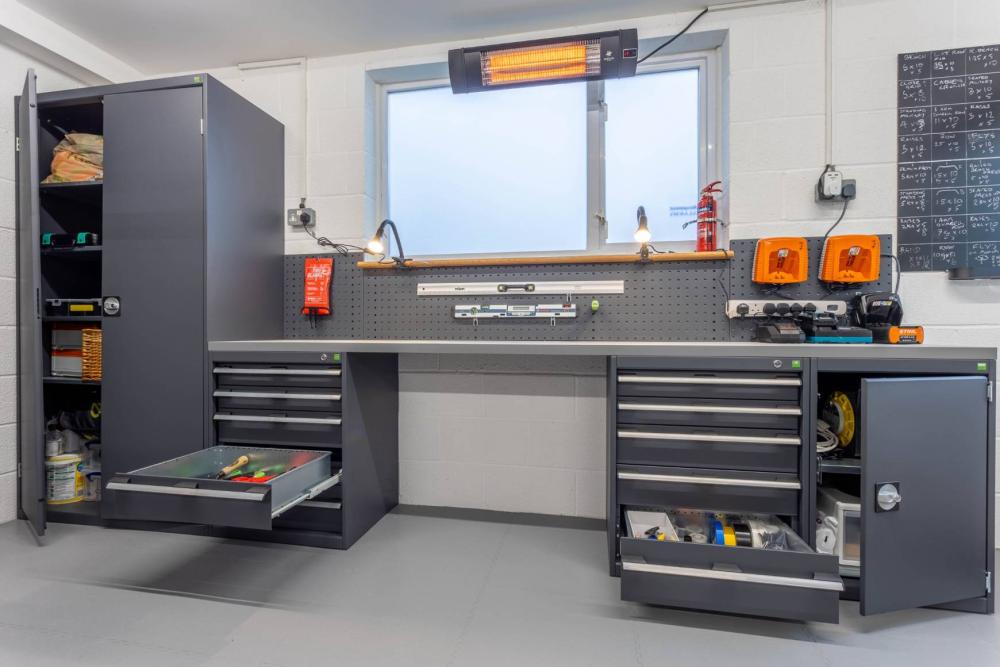
5 Things to Know About Garage Floor Tiles for Heavy Vehicles
When it comes to garage floor tiles for heavy vehicles, there are a few things we always tell clients to keep in mind. Over the years, we’ve seen how the right choices can save a lot of hassle, especially in busy garages or workshops. Here are the five most important things to consider before you start your project.
1. Material Matters
Not all tiles are created equal. For heavy-duty garage flooring, the main options are PVC, polypropylene, and rubber. PVC garage tiles are known for their strength and chemical resistance, while polypropylene tiles are lightweight but still tough. Rubber garage tiles offer good grip and comfort underfoot, but may not always be as resistant to oil or chemicals. Think about what your vehicles and activities demand before picking a material.
2. Load Ratings
Always check the maximum weight each tile can handle. Load-bearing floor tiles should clearly state their load rating, which is crucial for supporting vehicles like SUVs, vans, or even commercial trucks. If you skip this step, you might end up with cracked or warped tiles, which is frustrating and costly to fix. We’ve had clients who underestimated this and had to redo their entire floor.
3. Surface Texture
The right surface texture makes a big difference. Anti-slip garage tiles help prevent slips, especially if oil or water is present. At the same time, you want a finish that’s easy to clean, since oil-resistant garage tiles and those that don’t hold onto tyre marks will save you time on maintenance. Some textures look great but are a nightmare to keep clean, so balance safety with practicality.
4. Interlocking Mechanism
A robust interlocking system is essential for garage floor durability. Interlocking floor tiles that fit tightly together won’t separate or shift under heavy loads. This is especially important if you’re moving vehicles in and out regularly. We’ve found that poorly designed interlocks can lead to uneven surfaces, which is both annoying and unsafe.
5. Maintenance & Longevity
Choose tiles that resist staining and are easy to replace if damaged. Garage floor maintenance is much simpler when you can swap out a single tile instead of redoing the whole floor. Look for tiles that are chemical-resistant and can handle regular cleaning without fading or cracking. Longevity is key, especially if you want your investment to last for years.
If you want a deeper dive into the best options, our team has put together a detailed comparison of the best garage floor tiles in the UK, covering rubber, PVC, and polypropylene choices. It’s worth a look before making your final decision.
Choosing the right garage floor tiles for heavy vehicles isn’t just about looks. It’s about safety, durability, and making sure your garage works for you, not against you. Take your time, weigh up these five points, and you’ll avoid the most common headaches we see in the field.
Installation Tips for Heavy-Duty Garage Floor Tiles
Getting heavy-duty garage floor tiles to last under the weight of big vehicles starts with the right prep. Always make sure your subfloor is level, clean, and dry before you even think about laying a single tile. Any bumps or damp patches can cause problems later, especially with load-bearing floor tiles.
When fitting interlocking floor tiles, use a rubber mallet to tap the edges together tightly. This helps prevent movement and keeps the surface strong. Don’t forget to leave a small expansion gap around the edges to handle temperature changes, which is key for garage floor durability.
For larger or commercial spaces, professional installation can save a lot of frustration. If you need to cut tiles around tricky spots, our guide on how to cut garage floor tiles is a handy resource.

Common Mistakes to Avoid with Garage Floor Tiles for Heavy Vehicles
Choosing the wrong garage floor tiles for heavy vehicles can lead to some real headaches. One common mistake is picking tiles with a load rating that’s too low for your car, van, or SUV. Always check the load-bearing capacity and match it to your heaviest vehicle, not just the smallest one.
Skipping subfloor preparation is another pitfall. If the base isn’t level or clean, tiles can shift or feel uneven underfoot. We’ve had clients call us frustrated after their new tiles started moving because they didn’t prep the concrete first.
Don’t forget about chemical resistance. Oil-resistant garage tiles or chemical-resistant flooring are essential if you’re working with fluids. Ignoring this can mean stains or early wear.
Lastly, always follow the manufacturer’s installation and maintenance guidelines. It’s tempting to cut corners, but proper garage floor installation and regular cleaning keep your floor looking sharp and lasting longer.
How to Maintain and Clean Heavy-Duty Garage Floor Tiles
Keeping garage floor tiles for heavy vehicles in top shape is all about regular care. At GaragePride, we always recommend sweeping and mopping your heavy-duty garage flooring often. This helps remove grit and debris that can scratch the surface, especially with load-bearing floor tiles like PVC or polypropylene tiles.
If you spot oil or chemical spills, act quickly. Use a mild detergent or a degreaser that’s safe for chemical-resistant flooring. Avoid harsh chemicals, as they can degrade the tile material and shorten garage floor tile longevity.
Check your tiles every so often for cracks or damage. If you find any, replace them right away to keep your garage floor safe and looking smart.
Choosing the Right Colour and Finish for Heavy Vehicle Garages
When picking colours and finishes for garage floor tiles for heavy vehicles, both looks and practicality matter. Darker shades are a smart choice because they hide tyre marks and stains much better than lighter ones. We’ve noticed clients get frustrated when pale floors show every scuff, so going darker can save a lot of cleaning headaches.
Textured finishes are worth considering for safety. They offer better slip resistance, especially in busy garages. Colour-coding different zones is another tip, helping with organisation and safety by marking walkways or work areas.
UV-resistant finishes help keep colours looking fresh, even with sunlight streaming in. For more on colour choices, see our guide on garage floor tile colours and finishes.
Conclusion
Choosing the right garage floor tiles for heavy vehicles is all about understanding your needs and making informed decisions. With the right knowledge, your garage can stay safe, durable, and easy to maintain for years to come. We hope these insights from GaragePride help you feel confident about your next steps. Ready to upgrade your garage flooring?
Reach out for expert advice or start planning your project today.
Share Story


