
Garage Floor Tiles vs Epoxy: 5 Reasons One Is Easier to Live With Long Term
Most people pick garage flooring based on looks and price. The ones who regret it usually forgot to think about what it is like to actually live with day to day. At GaragePride we have installed both garage floor tiles and epoxy across hundreds of UK garages, workshops and storage spaces, and the difference in long term experience is significant.
This guide covers five practical reasons why one option consistently causes less hassle over time. No hype, just what we have seen hold up and what has let people down.
Here is what the garage floor tiles vs epoxy comparison actually looks like in the real world.
Understanding Garage Floor Tiles and Epoxy Coatings
When comparing garage floor tiles vs epoxy, it helps to know what each option actually is. Garage floor tiles are modular pieces, usually made from PVC or polypropylene, that interlock to cover your concrete floor. They’re popular for their flexibility and the way you can create patterns or swap out damaged tiles easily.
Epoxy, on the other hand, is a liquid coating applied directly to the concrete. Once it cures, it forms a seamless, hard surface that’s resistant to oil, chemicals, and stains. Both options are designed to protect your garage floor from wear and tear, but the right choice depends on how you use your garage, your local climate, and how much maintenance you’re willing to do.
From our experience, homeowners often feel frustrated when epoxy starts to peel or chip, especially in high-traffic areas. Tiles can be more forgiving if you need a quick repair or want to change the look. Ultimately, it’s about matching your garage flooring options to your needs, whether that’s for a home gym, workshop, or just parking the car.
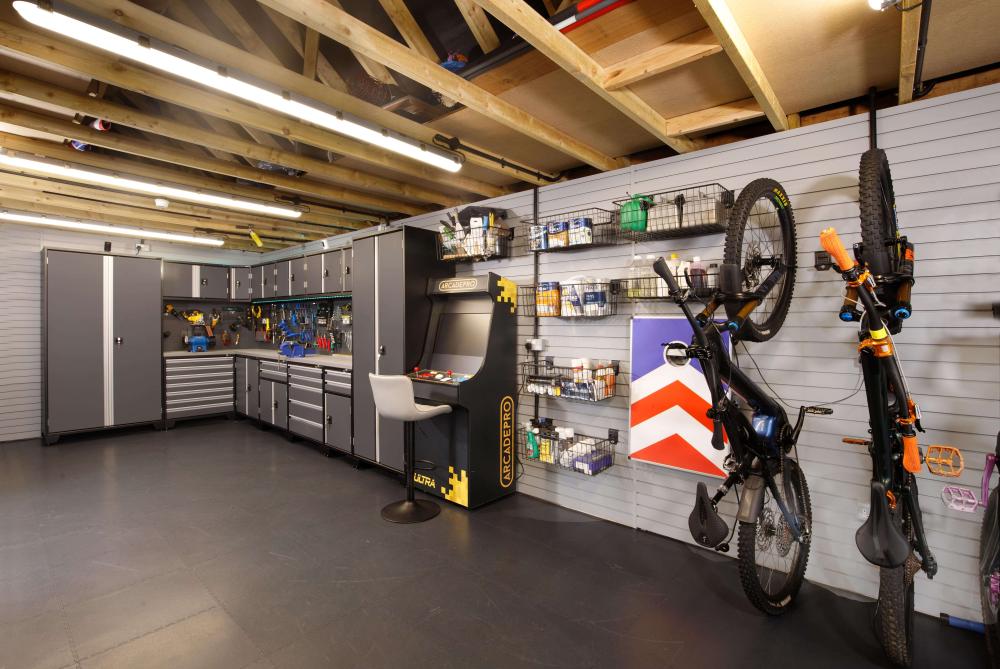
5 Reasons Garage Floor Tiles Are Easier to Live With Long Term
When comparing garage floor tiles vs epoxy, we’ve found that tiles are simply easier to live with over the years. Here are five reasons why our team at GaragePride often recommends modular garage tiles for long-term use.
1. Simple Installation and Replacement
Tiles are a true DIY garage floor solution. You can lay them down without special tools or professional help. If a tile gets damaged, just pop it out and replace it. No need to redo the whole floor, which saves time and frustration.
2. Superior Resistance to Stains and Chemicals
Many PVC garage tiles and polypropylene tiles are designed to be oil resistant and chemical resistant. This means they handle spills from cars, bikes, or tools much better than most epoxy coatings. We’ve seen customers relieved when a stubborn oil stain wipes right off a tile, while epoxy might stain or discolour. For more on stain resistance, see our guide on garage floor tiles that don’t stain.
3. Enhanced Comfort and Safety
Tiles offer a bit of cushioning underfoot, which makes standing for long periods in a garage workshop or gym less tiring. The textured surface of anti-slip garage tiles also helps reduce the risk of slips, especially when the floor is wet. This is a big win for families or anyone using the garage for more than just parking.
4. Minimal Maintenance
Garage floor maintenance is much simpler with tiles. They don’t peel or chip like epoxy floor coatings can, so you avoid the hassle of touch-ups or full re-coats. Cleaning is straightforward, and you don’t need special products or techniques. Just sweep or mop as needed.
5. Adaptability and Design Flexibility
Tiles come in a wide range of colours and patterns, so it’s easy to customise your garage floor design. If you want to update the look or fix a section, you can swap out tiles without starting from scratch. This flexibility is especially handy if your needs change, like turning a storage space into a home gym or workshop.
In our experience, these practical benefits make garage floor tiles a smart choice for anyone looking for a long-lasting, low-hassle solution. Whether you’re after durability, easy garage floor repair, or just want a floor that looks good and works hard, tiles offer real peace of mind.
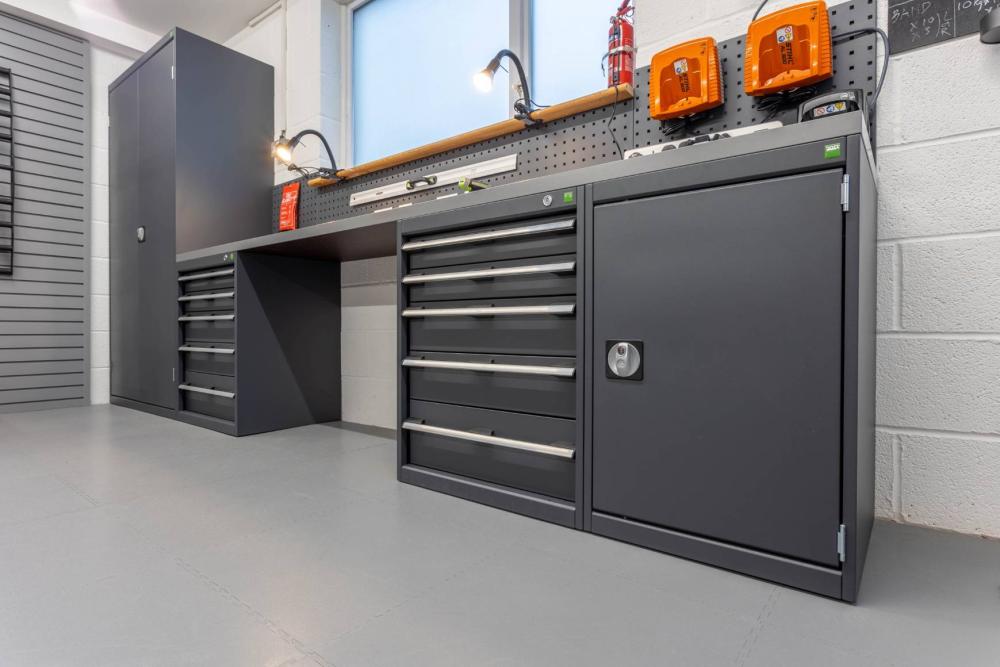
How to Choose the Right Garage Flooring for Your Needs
Choosing the right garage flooring starts with thinking about how you use your garage. Is it mainly for parking, a home gym, a workshop, or just storage? Each use has its own needs for durability, comfort, and safety.
Next, consider your local climate. If your garage gets damp or faces chemical spills, you’ll want flooring that’s moisture and chemical resistant. Some options, like modular garage tiles, handle these challenges better than others.
Think about how much time you want to spend on maintenance. Epoxy floor coatings can chip or peel, which means repairs. Tiles are easier to replace if damaged.
Installation time and cost matter too. If you’re curious about how many tiles you’ll need, our guide on 7 Things That Affect How Many Garage Floor Tiles You Need can help.
From our experience, planning ahead saves frustration later, especially if you might change your garage’s purpose in the future.
Common Mistakes to Avoid with Garage Flooring
Choosing between garage floor tiles vs epoxy can be tricky, and we’ve noticed a few common mistakes that can cause real headaches later. One big pitfall is skipping proper surface prep. If the concrete isn’t clean, dry, and free from oil or dust, even the best epoxy or modular garage tiles won’t stick well, leading to peeling or shifting.
Temperature and humidity matter too. Epoxy coatings need the right conditions to cure, or you’ll end up with chipping and uneven finishes. We’ve seen projects delayed because folks underestimated this step.
It’s also tempting to go for cheaper tiles or coatings, but low-quality options often lack durability and slip resistance. Always check for anti-slip features and think about safety, especially if your garage doubles as a workshop or gym.
Tips for Maintaining Your Garage Floor in 2026 and Beyond
Keeping your garage floor in top shape is easier when you stick to a few simple habits. Regular sweeping and mopping stops dirt and grit from scratching the surface, whether you have garage floor tiles or epoxy. If you spot oil, grease, or chemical spills, clean them up straight away to avoid stains and slippery patches.
We always recommend checking for damage every so often. Replace any cracked tiles or touch up epoxy chips before they get worse. For heavy equipment or vehicles, protective mats can help prevent dents and marks.
One of our team once found a forgotten oil spill under a car, which left a stubborn stain. Lesson learned—quick clean-ups really do save hassle later. For more on garage gym flooring, see our guide to the best garage floor tiles for home gyms.
FAQ: Garage Floor Tiles vs Epoxy
-
Which lasts longer: garage floor tiles or epoxy?
Garage floor tiles and epoxy coatings both offer good durability, but their longevity depends on use and care. Epoxy can chip or peel if the surface prep isn’t spot on, especially with heavy use or moisture. Modular garage tiles, like PVC or polypropylene, can last for years and are easy to replace if damaged, which is a relief when accidents happen. -
Are garage floor tiles suitable for heavy vehicles?
Yes, most quality garage floor tiles are designed to handle the weight of cars, SUVs, and even light commercial vehicles. We’ve seen tiles hold up well in busy home garages and workshops. Just make sure the subfloor is level and the tiles are properly locked together for best results. -
Can I install garage floor tiles or epoxy myself?
Both options can be DIY, but garage floor tiles are usually much easier and quicker to fit. Epoxy needs careful surface prep and curing time, which can be frustrating if you’re not experienced. Tiles just click together, so you can often finish in a day with minimal tools. -
How do I clean and maintain each flooring type?
Garage floor tiles are simple to clean with a broom, mop, or even a hose. If a tile gets stained or damaged, you can swap it out without fuss. Epoxy floors need regular sweeping and gentle cleaning products to avoid dulling or peeling, and repairs can be trickier if the coating chips or lifts.
Conclusion
When weighing up garage floor tiles vs epoxy, it’s clear that tiles offer practical long-term benefits for maintenance, durability, and flexibility.
Choosing the right garage flooring gives you confidence and peace of mind, whether you’re planning a home gym, workshop, or storage space.
A well-chosen floor can save you frustration and keep your garage looking sharp for years.
Ready to make your garage work harder for you?
Explore your options and take the next step towards a smarter, easier-to-live-with garage floor.
Share Story


