
How to Plan a Commercial Garage Layout That Maximises Productivity
A well planned commercial garage layout is what separates the workshops that thrive from the ones that just get by. At GaragePride, we've helped plenty of businesses design spaces that keep work moving, staff safe, and every job running smoother. In this guide, we cover floor plans, workflow, and space optimisation so you can build something that actually performs in 2026.
Let's get into it.
Understanding the Core Principles of Commercial Garage Layout Design
A well-planned commercial garage layout starts with three main goals: safety, efficiency, and scalability. At GaragePride, we always recommend thinking about the types of services you’ll offer and the equipment you’ll need before sketching out your garage floor plan. It’s easy to get frustrated if you realise halfway through that your vehicle bay arrangement doesn’t fit your workflow or that you’ve missed space for tool storage solutions.
Assess the available space and look for any structural limitations, like support columns or low ceilings. Always plan for future expansion, even if it feels far off. A flexible workshop layout saves headaches later and helps your garage adapt as your business grows.
Assessing Workflow and Space Requirements
When planning a commercial garage layout, start by mapping out your typical workflow and how vehicles move through the space. We always recommend sketching the garage floor plan first, marking out where cars enter, park, and exit. This helps spot high-traffic zones and potential bottlenecks that can slow everyone down.
Allocate clear zones for diagnostics, repairs, and storage. For example, keep your diagnostic area close to the entrance, so vehicles needing quick checks don’t block the main repair bays. Make sure storage is organised with tool storage solutions and shelving to keep walkways clear.
Always check your layout against health and safety regulations. Proper garage organisation and clear walkways help keep staff safe and the workshop running smoothly.
Optimising Equipment Placement for Maximum Efficiency
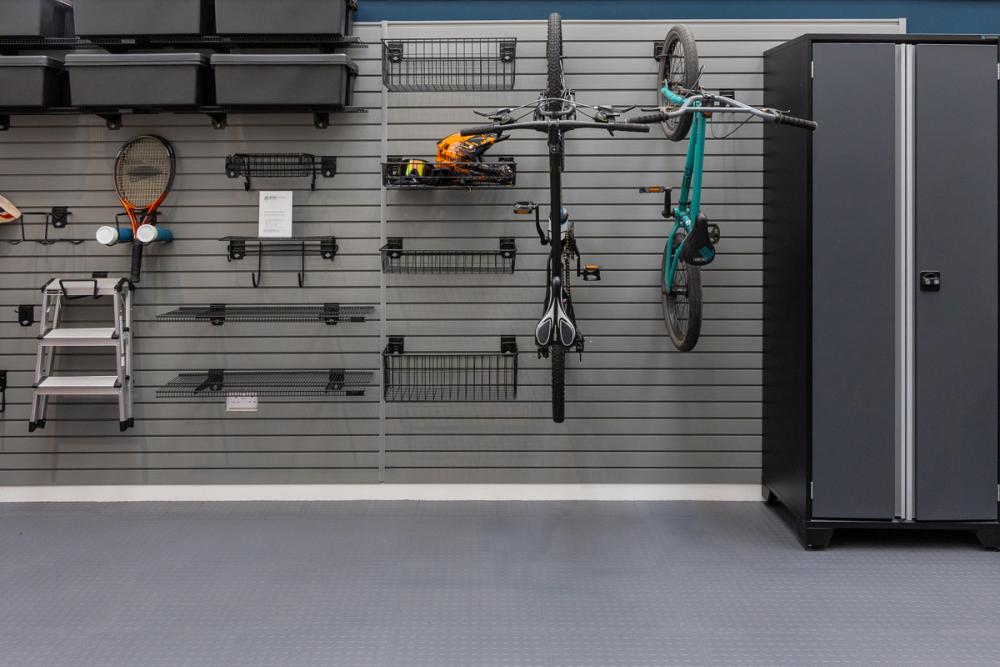
Getting the right commercial garage layout can make a huge difference to your daily workflow. We always recommend grouping related equipment together, so your team isn’t wasting time walking back and forth. Place heavy machinery close to power sources, but keep them away from main walkways to avoid bottlenecks and keep everyone safe.
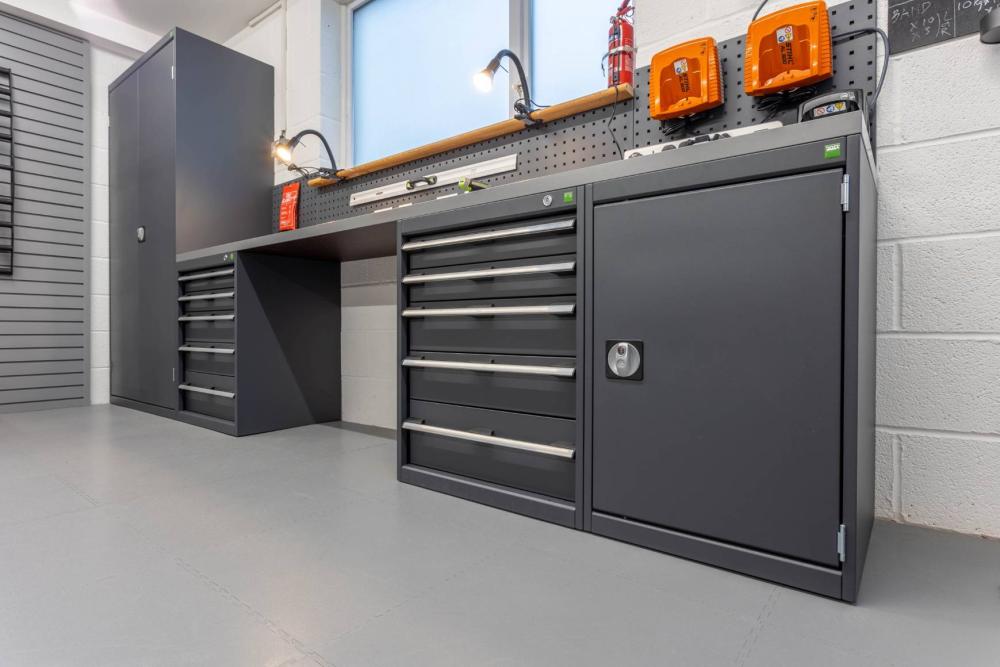
Make sure frequently used tools are easy to grab, not buried behind clutter. Clear sightlines help staff spot hazards and keep an eye on each other, which is vital for safety. We once helped a client rearrange their vehicle bay arrangement, and just by shifting a few lifts and tool cabinets, their garage workflow improved overnight. For more layout tips, see our professional car workshop setup guide.
Implementing Effective Storage Solutions
Making the most of your commercial garage layout starts with smart storage. We always recommend using vertical space with sturdy shelving and wall-mounted systems. This keeps tools and parts off the floor, making it easier to spot what you need and avoid clutter.
Modular cabinets are a game-changer for flexibility. You can move or reconfigure them as your garage workflow changes. Labelling and categorising every tool and part saves time and cuts down on frustration when you’re searching for something in a hurry.
Clear, clutter-free work areas are essential for safety and efficiency. For a deeper dive into storage options, check out our guide on Workshop Storage Systems Compared: Cabinets, Wall Storage and Modular Options.
Ensuring Compliance and Safety in Your Garage Layout
Meeting legal and safety standards is essential for any commercial garage layout. We always stress the importance of following fire safety rules and making sure emergency exits are never blocked. Proper ventilation and good lighting are not just nice to have, they help keep your team safe and alert.
Clear signage and marked walkways help everyone know where to go, especially in a busy workshop layout. We once worked with a client who struggled with cluttered walkways, and after adding clear markings, their workflow improved and accidents dropped. Regularly reviewing and updating your safety protocols is a must, especially as regulations change.
For more on compliance, see our MOT Bay Setup Guide UK: Workshop Layout, Equipment and Compliance Tips.
Choosing the Right Fit-Out Supplier for Your Commercial Garage
Selecting the right fit-out supplier is a big step in any commercial garage layout project. We always recommend starting by looking at the supplier’s experience and their portfolio. A good partner should have a proven track record with commercial workshop setups and be able to show real examples of their work.
Check if they offer customisation options and reliable after-sales support. This can make a huge difference if you need adjustments or help later on. Compare quotes and project timelines, but don’t just go for the cheapest. Quality and timing matter just as much.
Ask for recommendations and read client testimonials. For more detailed advice, see our guide on how to choose a workshop fit-out supplier in the UK.
Common Mistakes to Avoid When Planning a Commercial Garage Layout
Planning a commercial garage layout can be tricky, and a few common mistakes can really slow things down. One big issue is overcrowding work areas with too much equipment or too many vehicles. This not only makes it hard to move around but also increases the risk of accidents and slows down the garage workflow.
Another pitfall is forgetting to plan for future growth. We’ve worked with garages that quickly outgrew their original garage floor plan because they didn’t leave space for expansion or modular storage. It’s frustrating to realise you need more room just a year or two in.
Underestimating storage needs is another headache. Without enough tool storage solutions or vertical storage, clutter builds up fast. Ignoring staff input during the planning process can also lead to missed details, as the people using the space daily often spot issues early. Always involve your team and keep flexibility in mind for a safer, more efficient workshop layout.
Tips for Maintaining and Adapting Your Garage Layout Over Time
Keeping your commercial garage layout effective means staying flexible as your business grows. At GaragePride, we always recommend regular reviews of your garage floor plan. Ask your team for feedback, as they often spot workflow bottlenecks or clutter that others miss.
Update storage and equipment when new technology arrives. This keeps your workshop layout efficient and helps avoid frustration when tools or parts are hard to find. If you add new services, reconfigure spaces so your vehicle bay arrangement and tool storage solutions still make sense.
Invest in ongoing staff training. Even the best garage organisation can slip if people aren’t up to speed. A well-adapted layout supports both productivity and staff safety.
FAQ: Commercial Garage Layout Planning
-
What is the ideal size for a commercial garage layout?
The ideal size depends on your services, number of vehicle bays, and equipment needs. For most commercial garages, planning enough space for safe vehicle movement, clear walkways, and tool access is key. Always allow extra room for future expansion or new equipment. -
How can I improve workflow efficiency in my garage?
Map out your garage workflow and look for bottlenecks. Arrange equipment and workstations so staff can move easily between tasks. We once helped a client by shifting their diagnostic area closer to the entrance, which cut down wasted steps and made a real difference. -
What are the best storage solutions for small spaces?
Use vertical storage like shelving and wall-mounted cabinets to keep the floor clear. Modular storage units and labelled tool racks help reduce clutter and speed up work. Keeping everything organised means less frustration and more productivity. -
How often should I review and update my garage layout?
Review your commercial garage layout at least once a year or after any major change in services or staff. Regular updates help you spot safety issues, improve efficiency, and adapt to new regulations. Staff feedback is valuable for spotting what’s working and what’s not.
Conclusion
A smart commercial garage layout changes how your whole business operates, better flow, safer conditions, and room to grow without starting from scratch. At GaragePride, we've helped plenty of garages get there and the results speak for themselves.
Ready to get started? Map out your ideal layout today and get in touch if you want a hand making it happen in 2026.
If this got you thinking about your own setup, check out the guys at Hexagon Workspaces. They know their stuff and can help you put it all together.
Share Story


