
MOT Bay Setup Guide UK: Workshop Layout, Equipment and Compliance Tips
Setting up an MOT bay in the UK is one of those projects where the details really matter. DVSA compliance, equipment choices, layout, it all adds up fast. At GaragePride, we've helped plenty of workshops get it right first time, and in this guide we're sharing what actually works. From regulations to equipment essentials, here's everything you need for a compliant, efficient MOT bay setup UK in 2026.
Let's get into it.
Understanding MOT Bay Setup UK Regulations
Setting up an MOT bay in the UK means following strict DVSA MOT requirements. The rules cover everything from MOT bay dimensions and layout to equipment and safety. Certification and licensing are essential, so you must apply to the DVSA and prove your MOT bay setup UK meets their standards.
Common pitfalls include missing paperwork, incorrect MOT bay planning, or not keeping up with MOT bay equipment calibration. Regular inspections and audits are not just a box-ticking exercise. They help spot issues early, avoid penalties, and keep your MOT testing station running smoothly.
At GaragePride, we’ve seen how a missed detail can cause real frustration. Careful MOT bay documentation and ongoing checks make all the difference.
Planning Your Workshop Layout for MOT Bays
Getting your MOT bay setup UK right starts with a smart workshop layout. We always recommend planning for enough space around each MOT bay to allow easy movement and safe workflow. Good access is key, so keep entry points clear and wide enough for vehicles and staff.
Lighting and ventilation matter more than you might think. Bright, even lighting helps spot issues during inspections, while proper ventilation keeps the air fresh and safe. Separate your MOT testing station from non-MOT work areas to avoid cross-contamination and confusion.
Think ahead. If you plan for future expansion now, you’ll save headaches later. For more on professional workshop layout and storage, see our guide on how to set up a professional car workshop.
Essential Equipment for MOT Bay Setup UK
Setting up an MOT bay in the UK means getting the right equipment in place from the start. The DVSA requires certain items for MOT compliance, like brake testers, headlamp aligners, emissions analysers, and vehicle lifts. These are non-negotiable for any MOT testing station.
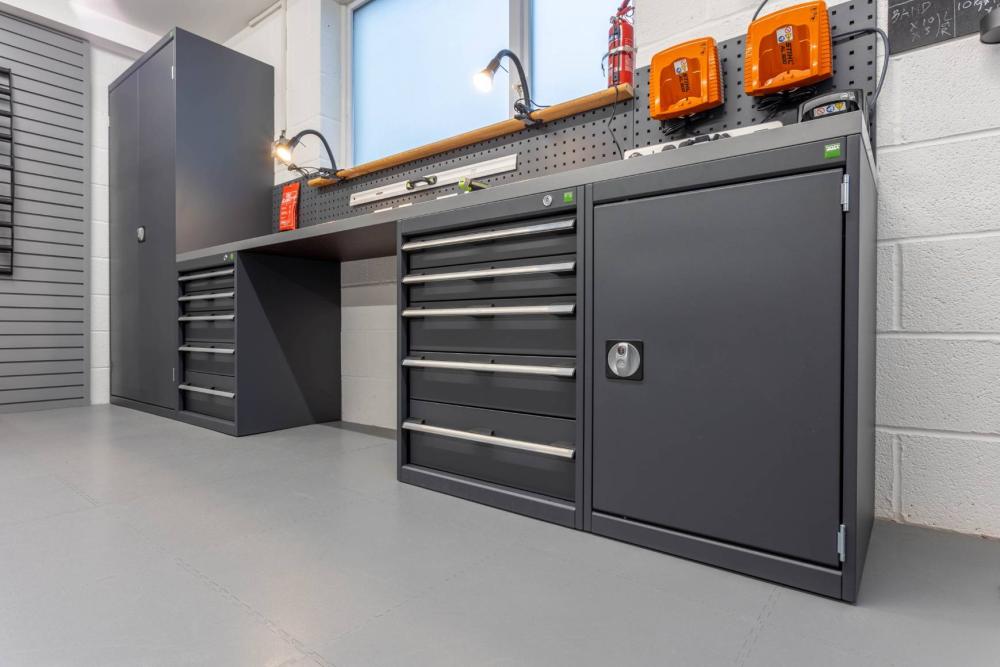
We always recommend adding extras for safety and efficiency, such as quality jacks, axle stands, and proper tool storage. Keeping your MOT bay equipment calibrated and well maintained is crucial. Regular checks and scheduled servicing help avoid frustrating downtime and keep you on the right side of MOT bay regulations.
From our experience, sourcing from reputable MOT bay suppliers saves headaches later. Cheap kit often leads to costly mistakes.
Workshop Flooring and Environment Considerations
Choosing the right flooring for your MOT bay setup UK is more important than many realise. The floor needs to be tough, slip-resistant, and able to handle chemicals like oils and brake fluids. We’ve seen workshops struggle with cleaning when drainage isn’t planned properly, so always consider how water and spills will be managed.
For MOT bay flooring, look for surfaces that are easy to clean and meet DVSA MOT requirements for safety. Poor flooring can affect equipment calibration and even cause workflow issues. If you want more detail on what to consider before you buy, check out our guide on workshop flooring for professional environments. Getting this right saves a lot of frustration later.
Selecting a Workshop Fit-Out Supplier
Choosing the right supplier for your MOT bay setup UK is a big decision. Look for a fit-out supplier with a proven track record in MOT bay design and installation. Ask about their experience with DVSA MOT requirements, and check if they understand MOT bay regulations and compliance.
Before signing anything, ask these questions:
-
What aftercare and support services do you offer?
-
Can you provide references from other MOT testing stations?
-
How do you handle MOT bay equipment calibration and maintenance?
Working with experienced professionals means fewer headaches and smoother MOT bay certification. We once helped a client who felt lost with MOT bay planning, but with the right support, their workshop layout passed inspection first time. Good aftercare and support can save you a lot of frustration later. For more tips, see our guide on choosing a workshop fit-out supplier.
Compliance Tips and Common Mistakes to Avoid
Staying compliant with MOT bay setup UK rules can feel overwhelming, but a few habits make it much easier. Regular staff training on MOT procedures is essential. We’ve found that even experienced teams benefit from refreshers, especially when DVSA MOT requirements change.
Keep all documentation and records up to date. This includes calibration certificates, maintenance logs, and staff training records. Missing paperwork is a common reason for failed audits.
Watch out for setup mistakes like incorrect MOT bay dimensions or poor MOT bay workflow. These can lead to costly delays or even penalties. Stay informed about regulatory changes by checking official updates. It’s frustrating to fix mistakes that could have been avoided with a bit of planning.
Safety and Workflow Optimisation in MOT Bays
Safety in your MOT bay setup UK is not just about ticking boxes. It’s about protecting your team and keeping the workflow smooth. We always recommend starting with clear safety protocols, like visible signage and regular staff briefings.
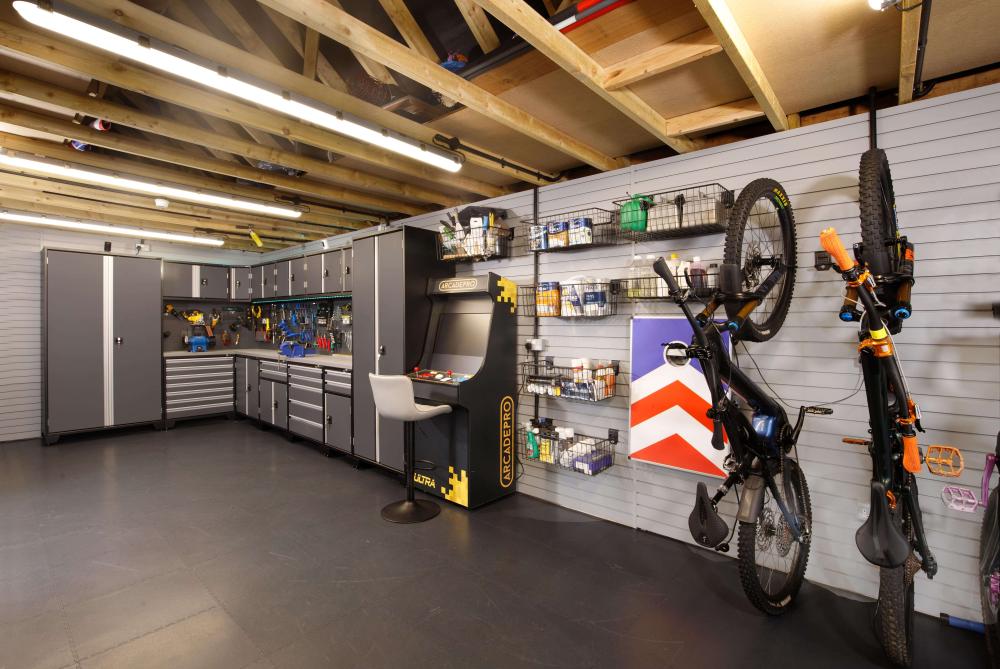
Efficient MOT bay workflow design means giving technicians enough space to move, with logical tool and part storage. We’ve seen how a cluttered bay can slow everyone down and even cause accidents. Good storage solutions, like labelled cabinets and racks, make a real difference.
Don’t forget emergency procedures. Make sure first aid kits are easy to find and staff know what to do if something goes wrong. For more on storage and layout, see our guide on workshop design, safety, and planning.
FAQ: MOT Bay Setup UK
-
What are the minimum space requirements for an MOT bay?
The DVSA sets out clear MOT bay dimensions. For a standard Class 4 MOT bay, you usually need at least 4.2 metres wide and 5.9 metres long, with extra space for safe movement. Always check the latest DVSA MOT requirements before planning your MOT bay setup UK. -
How often should MOT equipment be calibrated?
Most MOT equipment needs calibration at least once a year. Some items, like brake testers, may need it more often. Keeping up with MOT equipment calibration is key for compliance and smooth MOT bay workflow. -
Can I use my existing workshop for MOT testing?
Yes, but only if your workshop meets all current MOT bay regulations. You might need to adjust your MOT workshop layout, flooring, or lighting to pass DVSA inspections. We’ve helped clients who felt frustrated by last-minute changes, so planning ahead is a real lesson learned. -
What are the penalties for non-compliance?
Non-compliance can lead to fines, loss of MOT testing status, or even legal action. Regular MOT bay audits and keeping up with MOT bay documentation help avoid these headaches. MOT compliance is not just a box-ticking exercise, it protects your business and reputation.
Conclusion
Getting your MOT bay setup UK right from the start saves you a lot of headaches down the line. With the right equipment, a clear layout, and full DVSA compliance, you've got a bay that runs smoothly and stands up to scrutiny. At GaragePride, we've helped plenty of workshops get there and we're happy to help you do the same.
Ready to get it sorted? Get in touch and let's make sure your MOT bay is built for 2026 and beyond.
If this got you thinking about your own setup, check out the guys at Hexagon Workspaces. They know their stuff and can help you put it all together.
Share Story


