
Guide to fitting durable workshop floor tiles the right way
Transforming a tired workshop floor into a space that feels safe, smart and built to last is more achievable than most people think.
At GaragePride, we have years of practical experience helping property professionals upgrade their workshops with reliable solutions such as PVC garage floor tiles.
Fitting these tiles can improve safety, handle heavy daily use and make cleaning and maintenance simple. In this guide, you will find straightforward steps for a professional finish along with tips that help you avoid common mistakes.
If you are planning a workshop upgrade or want a floor that is stronger and longer lasting, read on to see how easy the process can be.
Essential Tools and Materials Needed
Before starting your workshop flooring project, it’s important to gather the right tools and materials. At GaragePride, we always recommend double-checking you have enough PVC garage floor tiles to cover your entire space, with a few spares for tricky corners or future repairs. A tape measure, utility knife, and straight edge are essential for accurate cuts and neat edges.
A rubber mallet helps lock interlocking tiles together without damaging them. Use a chalk line or marker to keep your layout straight, which saves a lot of frustration later. For a professional finish, consider optional ramps, edge trims, or underlay. We’ve found these extras really help with workshop safety and a tidy look.
How to Fit Durable Workshop Floor Tiles
Getting your subfloor ready is the first step. Sweep up all dust and debris, then mop to remove any oil or grease. A clean, dry surface helps your PVC garage floor tiles lock together properly and last longer.
Next, plan your tile layout. Start from the most visible wall or entrance, as this gives the neatest look. Dry-lay a few rows to check your alignment and make sure you’re happy with the design.
Begin interlocking the tiles row by row. Use a rubber mallet for a snug fit, but don’t force them. At the edges or around obstacles, trim tiles with a sharp utility knife for a seamless finish. We’ve found that patience here really pays off for a professional result. For more guidance, see our interlocking garage flooring guide.
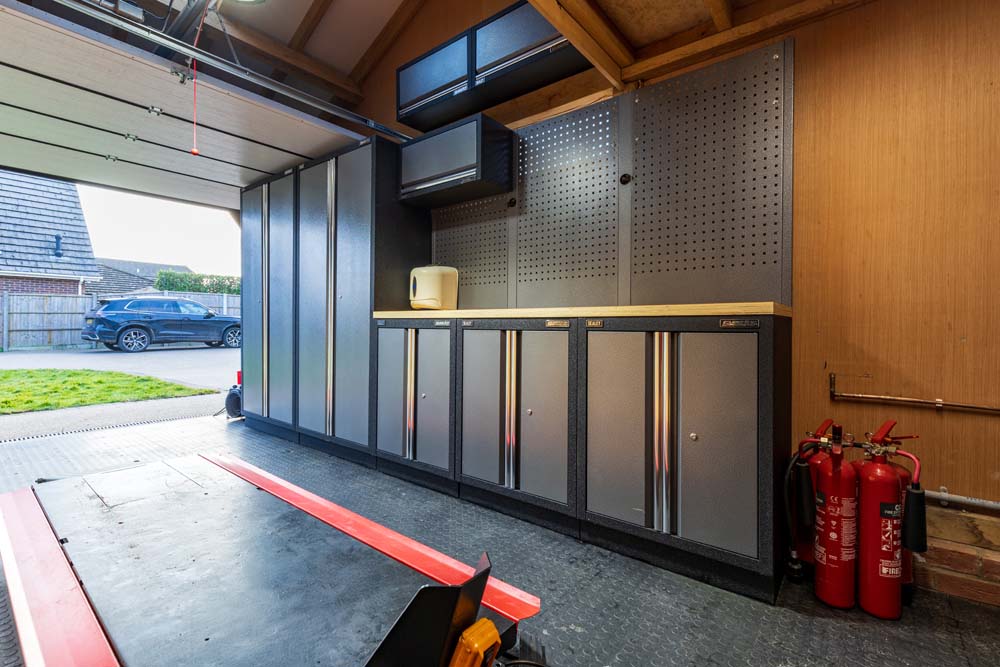
Tips for a Professional Finish
Getting a flawless finish with PVC garage floor tiles is all about the details. Always let your tiles acclimatise to the workshop temperature for at least 24 hours before fitting. This helps prevent unwanted expansion or contraction after installation, which can be a real headache.
We always recommend using edge ramps and trims for a smooth, safe transition between your workshop flooring and other surfaces. Double-check your tile alignment as you go. Even a small misstep can lead to gaps or unevenness, which is frustrating to fix later.
For extra moisture protection, consider sealing the edges. If you want more tips on achieving a professional finish, our team has shared advice on how to apply garage floor coating for a professional finish.
Common Mistakes to Avoid When Installing Workshop Floor Tiles
It’s easy to get caught out by a few common mistakes when fitting PVC garage floor tiles. At GaragePride, we’ve seen how skipping a proper subfloor clean can lead to poor adhesion or uneven tiles. Always sweep and mop before you start, or you might end up frustrated with bumps and loose spots.
Don’t forget to leave expansion gaps around the edges. Without these, tiles can buckle or lift as temperatures change. It’s a simple step, but it saves a lot of hassle later.
Check every tile for damage before laying it down. Even a small crack can ruin the look and strength of your workshop flooring.
Take care with tile orientation and pattern alignment. Misaligned interlocking tiles can spoil the professional finish and make future maintenance tricky. If you want more DIY flooring tips, you can find helpful advice at DIYnot.
How to Clean and Maintain Your PVC Garage Floor Tiles
Keeping your PVC garage floor tiles looking fresh is easier than you might think. At GaragePride, we always recommend regular sweeping to remove dust and grit, which helps prevent scratches. Every so often, mop the tiles with a mild detergent and warm water. If you spill oil, paint, or chemicals, clean it up straight away to avoid staining or damage. We’ve had customers share their frustration after leaving a spill too long, so quick action really does make a difference. Inspect your tiles now and then for any signs of wear or damage. For a simple step-by-step routine, check out our guide to cleaning and maintaining your garage floor tiles.
Seasonal Maintenance Checklist for Workshop Floor Tiles
Seasonal care is key for keeping your workshop flooring in top shape. At GaragePride, we always recommend checking your PVC garage floor tiles for any signs of expansion or contraction as the weather changes. Sudden temperature shifts can cause tiles to move slightly, so it’s smart to keep an eye out.
After heavy rain, inspect for moisture buildup or leaks. Even the best interlocking tiles can let a bit of water through if there’s a problem nearby. If you spot any loose joints, re-tighten them to keep your floor safe and stable.
A deep clean at least once a year makes a big difference. For a full checklist, see our garage tiles maintenance checklist for every season.
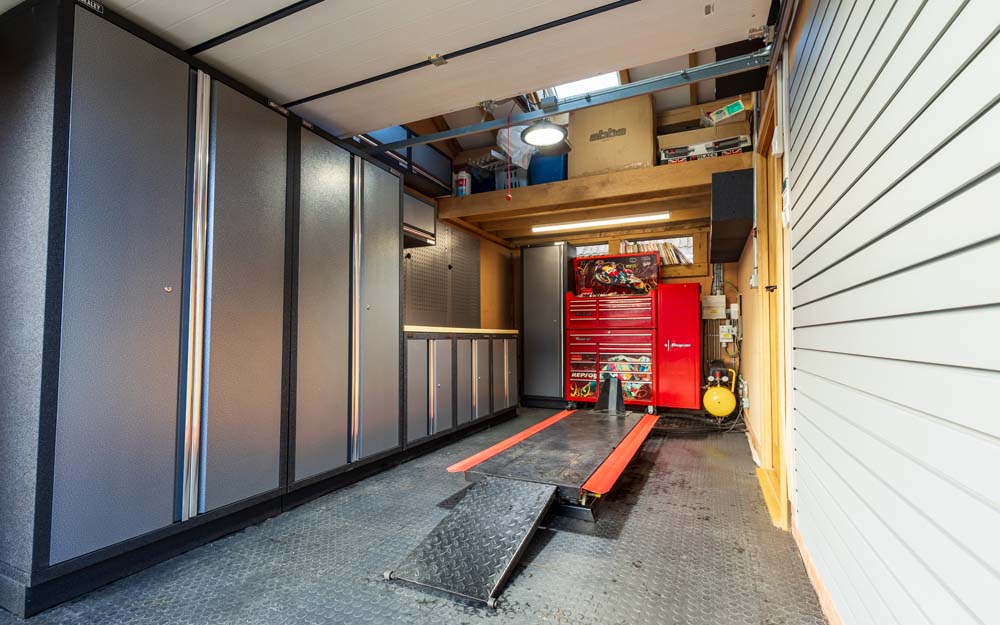
Frequently Asked Questions About PVC Garage Floor Tiles
-
Can PVC garage floor tiles be installed over uneven surfaces?
PVC garage floor tiles are quite forgiving, but for best results, the subfloor should be as level as possible. Small bumps or cracks are usually fine, but large dips or high spots can cause tiles to move or wear unevenly. We always recommend smoothing out major imperfections before fitting. -
How long does installation typically take for a standard workshop?
Most standard workshops can be fitted in a day, especially if you have a clear space and the right tools. Interlocking tiles make the process quicker, but time can vary depending on the room shape and prep work. One of our team once finished a single garage in just a few hours, which felt like a real win. -
Are these tiles suitable for heavy machinery and vehicle traffic?
Yes, PVC floor tiles are designed for heavy-duty use, including cars, bikes, and workshop equipment. They offer strong garage floor protection and are popular in busy workshops. Just make sure the tiles are properly fitted and locked together for maximum durability. -
What should I do if a tile gets damaged or stained?
If a tile gets damaged or stained, simply lift and replace the affected piece. Most stains can be cleaned with mild floor tile cleaning products, but stubborn marks may need a bit more effort. Keeping a few spare tiles handy makes repairs quick and stress-free.
Conclusion
Fitting PVC garage floor tiles is a smart way to boost your workshop’s durability, safety, and look. With the right preparation and a step by step approach, you can achieve a professional finish that lasts. Regular care and a few simple checks will keep your floor in top shape for years.
Ready to transform your workshop flooring? Start planning your installation today and see the difference a quality floor can make.
Share Story


