
How to Design a School or College Workshop: Storage, Safety and Layout Planning
Designing a school college workshop that's safe, practical, and actually inspires students is harder than it looks. At GaragePride, we've worked with plenty of educational spaces to get the layout, storage, and safety features right. In this guide, we cover everything that matters, from smart space planning to the essentials that keep students protected and productive in 2026.
Let's get into it.
Understanding the Purpose of Your Workshop
Before you start planning your school college workshop design, it’s vital to get clear on what you want students to learn and do. Think about the main subjects and skills you’ll be teaching. Are you focusing on woodwork, electronics, or maybe robotics? The age and experience of your students matter too. Younger students need simpler, safer tools, while older ones might handle more advanced equipment.
At GaragePride, we’ve found that listing out the types of projects you’ll run helps you spot what equipment and storage you’ll need. Always plan for change. Workshops should be flexible so you can adapt to new curriculum needs or technology. It’s frustrating to outgrow a space too soon, so future-proofing is key.
Workshop Layout Planning Essentials
When planning a school college workshop design, it’s smart to start by mapping out clear zones for each activity. For example, keep assembly, machining, and storage areas separate. This helps students focus and keeps things organised.
Always make sure there are wide, clear pathways for movement. Emergency exits should be easy to spot and never blocked. We’ve found that positioning workbenches and equipment so students can reach them from both sides really boosts workflow.
Flexible layouts are a lifesaver when class sizes change. Moveable benches and modular storage let you adapt the space quickly. For more tips on professional workshop layouts, check out our guide on how to set up a professional car workshop.
Storage Solutions for Tools and Materials
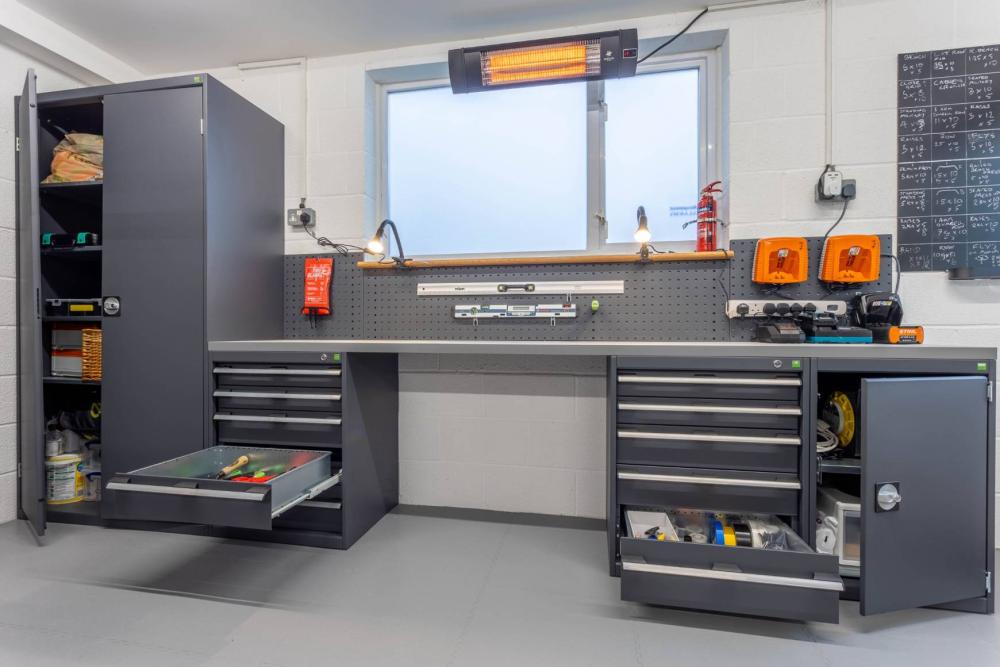
Keeping a school or college workshop organised is key for both safety and efficiency. We always recommend modular storage units, as they let you reconfigure the space when your needs change. Labelling and categorising tools makes it much easier for students to find what they need, which helps avoid frustration and keeps lessons running smoothly.
Secure storage is a must for any hazardous materials. Lockable cabinets or dedicated cupboards help prevent accidents. Make the most of vertical space by adding shelving and wall-mounted racks, especially in smaller workshops.
For more ideas on layout and storage, our team has shared practical tips in our Bicycle Repair Shop Setup UK: Workbench, Storage and Floor Layout Ideas guide.
Prioritizing Safety in Workshop Design
Safety is at the heart of every good school college workshop design. We always recommend starting with proper ventilation and dust extraction systems. These keep the air clean and help prevent health issues, especially when working with wood or metals.
Every piece of equipment should have safety guards and emergency stop buttons. It’s frustrating when these are missing, as it puts everyone at risk. Clear signage for safety instructions and exits is a must, so students and staff know exactly what to do if something goes wrong.
Regular inspections and maintenance of safety equipment are essential. We’ve learnt that a forgotten fire extinguisher or faulty alarm can cause real problems. Prioritising these steps creates a safer, more confident learning environment for everyone.
Selecting the Right Equipment and Furniture
Choosing the right equipment and furniture is a big part of school college workshop design. We always recommend adjustable-height workbenches and seating, as these help with student workshop ergonomics and make the space more inclusive for different ages and abilities. It’s frustrating when students can’t reach or sit comfortably, so getting this right saves hassle later.
Pick equipment that matches the curriculum and what students can safely handle. Go for robust, easy-to-clean materials. This makes cleaning routines simpler and keeps everything looking good for longer.
Plan for technology integration from the start. Think about power outlets, device storage, and charging stations. It’s a lesson we’ve learnt: future-proofing your educational workshop layout saves time and money down the line.

Incorporating Technology and Digital Tools
Bringing technology into your school college workshop design can really boost both learning and efficiency. At GaragePride, we’ve found that adding smart boards or projectors makes demonstrations much clearer for students, especially when showing step-by-step processes. It’s a small change, but it can make a big difference when everyone can see what’s happening up front.
We always recommend providing charging stations for laptops and tablets. There’s nothing more frustrating than a dead device in the middle of a project. For keeping things organised, using software for inventory and project management helps track tools and materials, which cuts down on wasted time searching for equipment.
Digital safety training modules are also a smart addition. They help students learn safe workshop practices before they even pick up a tool. For more ideas on integrating technology into your educational workshop layout, check out our workshop planning resources.
Common Mistakes to Avoid in Workshop Design
It’s easy to get excited and fill a school or college workshop with every bit of kit you can find. But overcrowding the space with too much equipment can make it hard for students to move safely and for staff to supervise. We always recommend starting with the essentials, then adding more as you see what’s actually needed.
Proper lighting and ventilation are often overlooked. Poor lighting can cause eye strain and accidents, while stuffy air makes it tough to focus. Make sure windows, extractor fans, and bright lights are part of your educational workshop layout.
Accessibility is another big one. If students with disabilities can’t use the space, it’s not truly inclusive. Ramps, wide walkways, and adjustable benches help everyone feel welcome.
Finally, don’t forget to plan for the future. Workshops need to adapt as curriculums change. Leaving room for extra storage or flexible layouts saves a lot of frustration later. We’ve learnt that a bit of forward thinking can turn a cramped, outdated space into a workshop that grows with your needs.
Best Practices for Ongoing Maintenance and Upgrades
Keeping a school or college workshop safe and up-to-date takes regular effort. At GaragePride, we always recommend scheduling equipment inspections and servicing at set intervals. This helps spot wear and tear before it becomes a hazard.
Listening to staff and students is key. Their feedback often highlights small issues that can make a big difference, like awkward tool organisation or tricky storage solutions. We once heard from a college where students struggled with a cluttered workbench setup, so a simple reorganisation improved both safety and workflow.
Update safety protocols and training every year. Plan phased upgrades to avoid disrupting lessons. For more on school college workshop design, see our guide on storage, safety, and layout planning.
FAQ: School College Workshop Design
-
What are the key safety features every school workshop should have?
Every school college workshop design should include clear safety signage, emergency exits, and proper ventilation. Fire extinguishers, first aid kits, and lockable hazardous material storage are essential. Regular student safety training and supervision help prevent accidents. -
How can I make the most of limited workshop space?
Use vertical storage and modular shelving to keep tools organised and off the floor. Flexible workbenches and mobile units let you adapt the space for different projects. We once helped a school fit a full tool set into a tiny room by zoning areas for each activity. -
What storage solutions work best for shared tools?
Labelled drawers, pegboards, and lockable cabinets keep shared tools secure and easy to find. Inventory checklists and digital tracking help avoid lost items. Shared tool management is much smoother with clear organisation. -
How often should workshop layouts be reviewed or updated?
Review layouts at least once a year, or after any curriculum change. Student and staff feedback often highlights workflow issues or safety concerns. Regular updates keep the workshop efficient and safe for everyone.
Conclusion
A well designed school college workshop gives students the space to actually learn, with safety built in and a layout that supports the way they work. Get the storage, compliance, and floor plan right and you've got a space that inspires rather than frustrates. At GaragePride, we've helped educational spaces get there and it makes a real difference.
Ready to rethink your setup? Get in touch and let's plan a workshop that works for everyone in 2026.
If this got you thinking about your own setup, check out the guys at Hexagon Workspaces. They know their stuff and can help you put it all together.
Share Story


