
Garage Racking: The Complete UK Guide (from the professionals)
Some garages just need a shelf or two. Others have to hold serious weight, tins of paint, car parts, power tools, and boxes of tiles, all at once. That is where racking comes in. Garage racking is built to take heavy loads without sagging or wobbling, and it is one of the best value upgrades you can make to a working garage. Here is how to choose and use it.
Key Takeaways
- Racking is heavy-duty shelving built to carry serious weight.
- Look at the per-shelf load rating, not just the total.
- Boltless racking is the easiest to build and adjust.
- Load heavy items low and spread the weight across the bay.
What Is Garage Racking?
Garage racking is a freestanding steel storage system built to hold heavy loads. It uses thick uprights and strong beams or shelves to carry far more than ordinary domestic shelving.
Where a light shelf might hold a few tins, a racking bay holds boxes of tools, car parts, and bulk supplies without flexing.
It is the backbone of a well organised working garage, getting the heavy stuff off the floor and into neat, reachable rows.
Racking vs Ordinary Shelving
The difference is strength. Ordinary shelving is fine for light, everyday items, but it bows and becomes unstable under real weight.
Racking uses heavier gauge steel and stronger connections, so it holds its shape under load. It is also usually taller and deeper, making better use of the space.
If you find yourself stacking heavy boxes on the floor because your shelves cannot take them, you need proper racking instead.
Types of Garage Racking
There are a few main types, each suiting a different need.
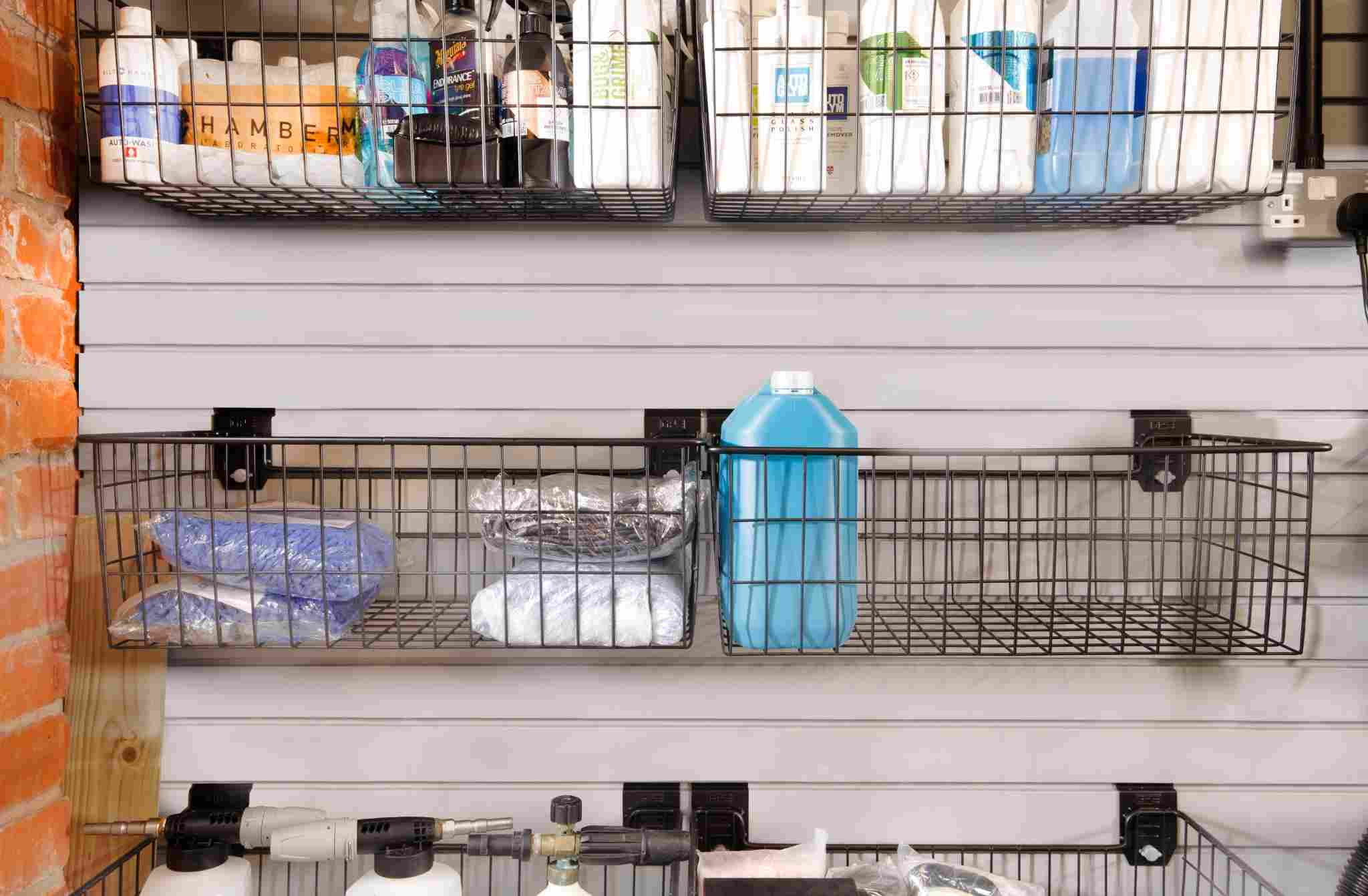
Boltless racking slots together with no tools, using rivets and locking beams. It is quick to build, easy to adjust, and the most popular choice for home garages.
Bolt-together racking is fixed with nuts and bolts for maximum rigidity, better suited to very heavy industrial loads. Tiered modular systems combine racking with cabinets and worktops for a complete storage wall.
How Much Weight Can Racking Hold?
This is the number that matters most, and it is easy to get wrong. Always look at the load rating per shelf, not just the total unit capacity.
A budget unit might claim a big total figure that is really spread thin across every level. Quality garage racking is rated from around 150kg up to 300kg or more per shelf.
Match the rating to what you actually store. Bags of salt, car batteries, and paint add up fast, so give yourself headroom rather than loading to the limit.
How to Choose Racking for Your Space
Start with a tape measure. Note the wall length, the height to any obstruction, and the depth you can give up without blocking the car or walkway.
Deeper shelves hold more but make it harder to reach the back, so 400mm to 600mm suits most garages. Adjustable shelf heights are worth having so you can fit tall and short items alike.
Think about the finish too. A powder-coated or galvanised finish resists the damp and temperature swings a UK garage throws at it.
Where to Put Racking in a Garage
The back wall is the classic spot, running a full bay of racking across it for bulk storage.
Side walls work well for a narrower run beside the car, as long as you leave room to open the doors. Corners are useful for less-accessed items.
Keep the racking clear of the garage door track and leave a walkway so you can actually reach what you store.
Installing and Loading Racking Safely
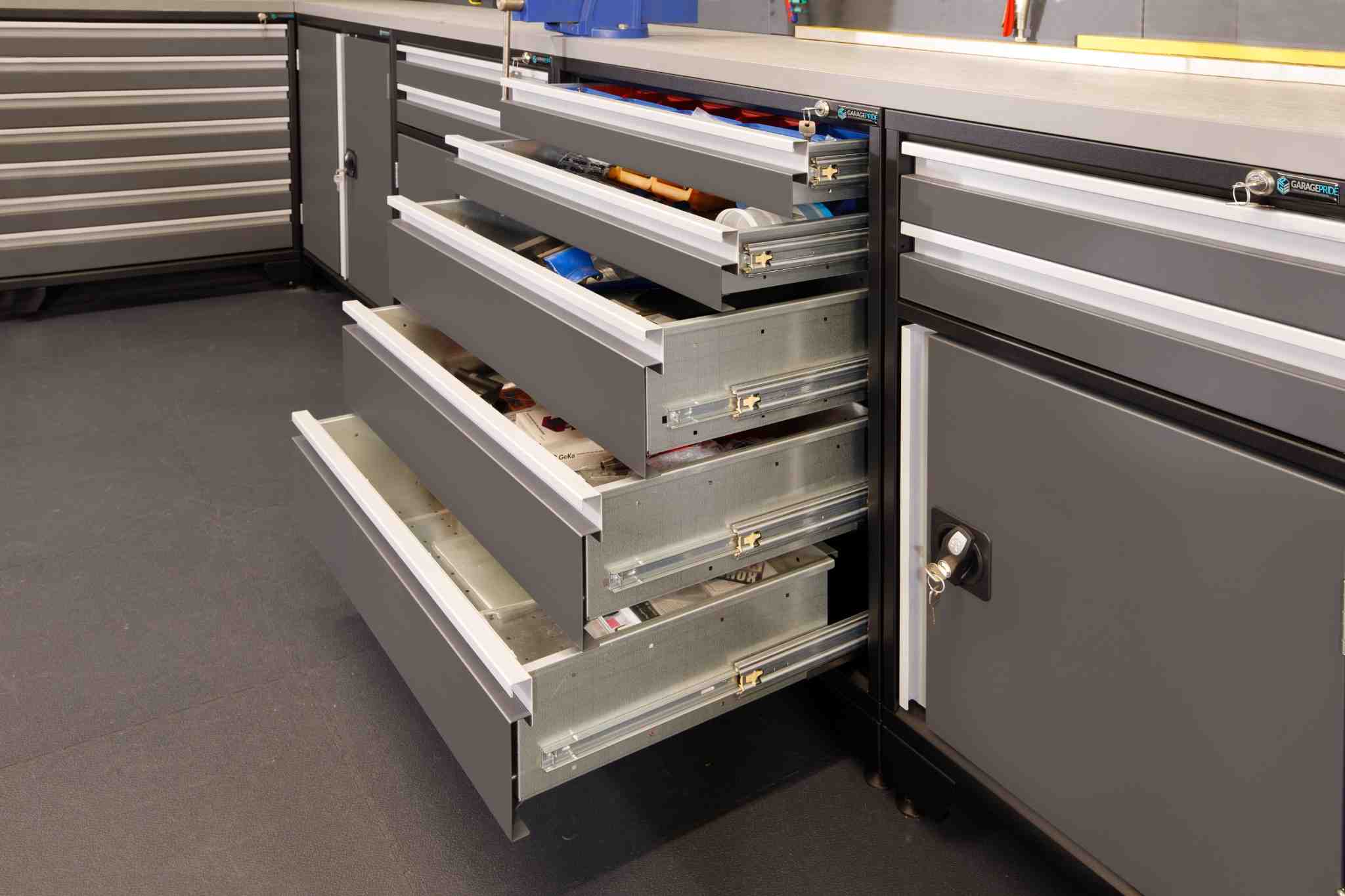
Most boltless racking goes together in under an hour with no tools. Build it on a level floor and check each upright is vertical before loading.
For tall units, or anything above shoulder height, anchor the top to the wall with a bracket. It takes minutes and stops the unit tipping if it is unevenly loaded.
Load heavy items on the lower shelves and lighter items up high. That keeps the centre of gravity low and the whole bay stable.
Signs Your Garage Needs Racking
Not sure if racking is overkill? A few clear signs say otherwise. Heavy boxes stacked on the floor because the shelves cannot take them is the obvious one.
Shelves that already bow in the middle, or that you are nervous to load fully, are another. So is buying in bulk, tiles, salt, oil, or timber, with nowhere solid to put it.
If any of those sound familiar, racking is the upgrade that fixes it for good rather than patching over it.
How Much Does Garage Racking Cost?
Racking is one of the best value storage upgrades going. A single freestanding bay costs far less than most people expect, and the price barely rises for a much stronger unit.
Bundles of several bays work out cheaper per shelf and cover a full wall in one go. Spending a little more on a higher load rating and a better finish is almost always worth it.
Because it lasts for years and does not need replacing, the cost per year of use is tiny.
Making Racking Part of a Bigger System
Racking handles the heavy bulk, but it works best alongside other storage. Pair it with wall storage for hand tools and overhead storage for seasonal items.
A tiled floor underneath keeps the base clean and makes it easy to sweep or vacuum around the legs.
For the full picture of how it all fits together, see our complete garage fit-out guide.
FAQ: Garage Racking
- What is the difference between racking and shelving? Racking is heavy-duty shelving built with thicker steel and stronger connections to carry serious weight without sagging. Ordinary shelving is for lighter, everyday items.
- How much weight can garage racking hold? Quality racking holds from around 150kg up to 300kg or more per shelf. Always check the per-shelf rating rather than the total unit figure.
- Do I need to bolt racking to the wall? Freestanding racking does not have to be fixed, but anchoring tall units to the wall stops them tipping and is strongly recommended.
- What is boltless racking? Racking that slots together with rivets and locking beams and needs no tools. It is quick to build and easy to adjust, which is why it suits most garages.
Conclusion
Garage racking is the fix for a garage that has outgrown its shelves. It takes the heavy, bulky stuff off the floor, holds it securely, and makes the whole space work harder.
Choose by the per-shelf load rating, build it level, and load it low for a rock-solid result.
Browse our garage racking and shelving range to find a system built for the weight you need.
Related GaragePride Guides
Share Story


