
Garage Studio Ideas: Music and Art Space at Home
Where do you go to make music or art when every room in the house is already spoken for? A drum kit in the spare room drives everyone up the wall, and an easel in the corner of the lounge never quite works. A garage studio gives you room to create, make a bit of noise, and leave your gear set up between sessions. In this guide we'll run through the garage studio ideas that turn a spare garage into a proper space for music, art, or recording.
Key Takeaways
- Soundproofing and insulation are the priority for a music studio.
- Good, colour-true lighting is essential for art and recording.
- A warm, comfortable floor lets you work and play for hours.
- Smart storage keeps instruments, gear, and materials safe and tidy.
Plan the Studio Around Your Work
A studio should always be built around what you actually make. A recording setup needs a desk, monitors, and treated acoustics, while a painting studio needs ventilation, easel space, and colour-true light. Knowing which one you're building shapes just about every decision that follows. So it's worth being clear about that from the very start.
Map out where you'll play, record, or paint, and where all the gear will live around you. Plan the power and layout to suit, with plenty of sockets for amps, interfaces, or lamps. Think about where the noisy or messy bits go and keep them away from the delicate work. A room built for your art, rather than a general-purpose space, beats a compromise every single time.
Sound Comes First for Music
For a music studio, sound really is everything, and it works in both directions. You want to keep your own noise in and the outside world firmly out, so you can play freely at any hour. This is the part that's worth the most time and effort of the whole project. Get it right and the room simply works, day or night.
Insulating the walls, roof, and door makes the biggest difference to how much sound escapes. Acoustic panels then tame the echo of a bare garage, and soft furnishings and a rug soak up the rest. Treat the corners in particular, where bass tends to build up, for a tighter and more professional result. A little acoustic work goes a surprisingly long way in a small garage.
Insulate for Comfort and Quiet
Insulation does two jobs at once in a studio, which makes it money well spent. It deadens the sound and it keeps the room warm enough to spend hours in comfortably. Both really matter if you want to use the space right through the winter. A cold, echoey garage is nobody's idea of a creative haven.
A cold garage is also miserable for instruments, which hate damp and sudden temperature swings. Insulating the space protects both you and your gear through the changing seasons. It keeps conditions steady, which matters more than people realise for wooden instruments. A warm, quiet, stable room is the foundation everything else sits on.
A Warm, Solid Floor
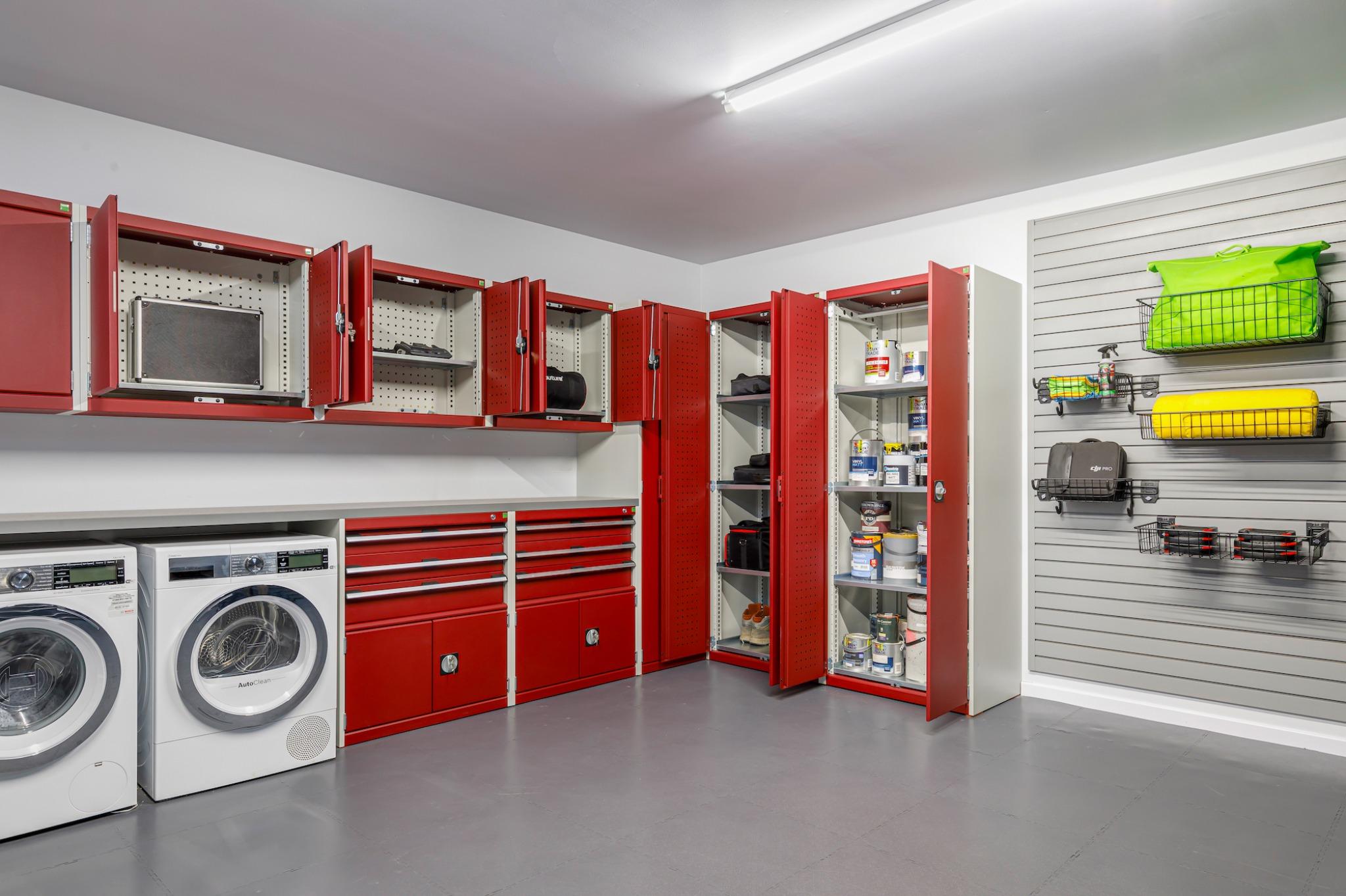
The floor matters whether you're painting or playing. A cold concrete slab is hard underfoot and draws damp up towards your valuable gear. A warmer, level floor makes the whole room far more usable and comfortable. It's one of the first things worth sorting once the room is watertight.
A tiled floor takes the chill off, adds a bit of warmth, and wipes clean of spilled paint or dropped picks. Our interlocking garage floor tiles lay straight over the concrete and give you a smart, comfortable base for a studio. A solid, level floor also keeps amps, stands, and easels stable and steady. And it helps deaden footstep noise when you're recording, which is a nice bonus.
Get the Lighting Right
Light shapes how you work more than most people expect. An artist needs colour-true light to see paint properly, and a musician needs to read music and see the desk clearly. Poor light spoils the results and tires you out over a long session. Getting it right makes the whole room easier and more enjoyable to work in.
Bright, even overhead lighting with daylight-toned bulbs shows colours honestly, and a task light picks out the fine detail. Our garage lighting range gives you that bright base to build on. Add accent lighting to set the mood when you're recording or just soaking up the atmosphere. Dimmable lights let you switch from a bright working space to a relaxed creative one in seconds.
Storage for Instruments and Gear
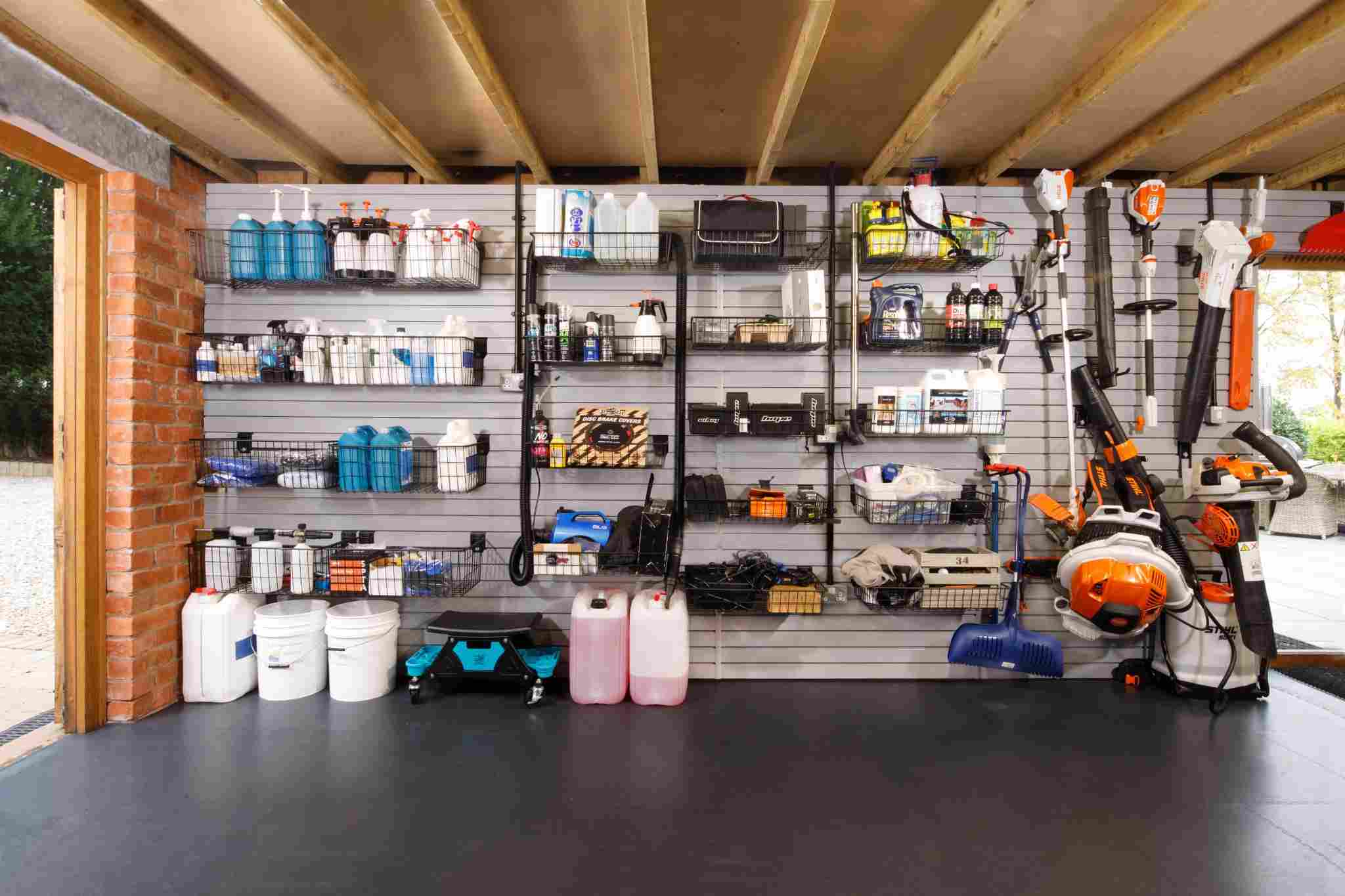
Studio gear is valuable and often awkward to store. Guitars, cables, canvases, and equipment all need somewhere safe and organised, or they get knocked and damaged. Getting it up off the floor protects it and frees up space to actually create. Tidy storage is what stops a studio sliding into chaos.
A slatwall keeps guitars, headphones, and cables hanging neatly on the wall and well off the ground. Our slatwall panel system adapts to whatever you own, while a cabinet locks away the smaller, pricier kit. Keeping expensive instruments up on the wall also keeps them away from damp and accidental knocks. Everything having its place is what keeps the room ready to work.
Set Up the Recording Corner
If recording is your focus, one corner needs a little extra thought. A desk for the computer, interface, and monitors becomes the control centre of the whole studio. Getting it positioned well makes every session run more smoothly and sound better. It's worth taking your time over this one spot.
Place the desk against the most solid wall, with the monitors at ear height and a comfortable chair in front. Keep the cables tidy and labelled so patching in a new instrument is quick rather than a tangle. A small run of acoustic treatment on the wall in front of you tightens the sound where it matters most. Get the corner right and the rest of the studio falls into place around it.
Look After Your Instruments
Instruments are sensitive to their surroundings, so a studio needs to care for them. Damp, cold, and big temperature swings can warp wood and knock tunings clean out. A stable, dry room keeps your gear sounding its very best for longer. It's a big part of why the insulation and flooring matter so much.
Insulation and a warm floor go a long way towards keeping conditions steady through the year. Store guitars and delicate kit up off the cold slab, ideally on the wall or safely in cases. Run a dehumidifier in winter to protect both the instruments and any acoustic panels from creeping damp. Look after your gear and it'll look after your sound.
Keep the Garage Flexible
A studio doesn't always need the whole garage to itself. Gear on wall storage and a rollable setup let the space flex back whenever you need it for other things. That flexibility makes a garage studio far easier to justify to the whole household. It's the difference between a studio you're allowed and one that causes arguments.
Plenty of studios happily share the garage with other uses, zoned to keep the creative area separate. Our garage conversion guide shows how to plan a room that does more than one job. A little planning means your studio and the family storage can coexist without getting in each other's way. Keep it adaptable and the room stays useful for years.
FAQ: Garage Studio Ideas
- Can I turn my garage into a music studio? Yes. Insulate and soundproof the walls, roof, and door, add acoustic panels to tame echo, lay a warm floor, and set up storage for your gear. It makes a private space to play and record.
- How do I soundproof a garage studio? Insulate the walls, roof, and door to keep sound in and out, then add acoustic panels, soft furnishings, and a rug to absorb the echo of the hard surfaces.
- What lighting is best for a garage art studio? Bright, even overhead lighting with daylight-toned bulbs that show colours truly, plus a task light for detail and dimmable accents for atmosphere.
- How do I store instruments in a garage studio? Use a slatwall to hang guitars, headphones, and cables off the floor, and a lockable cabinet for smaller, valuable gear, keeping everything safe and organised.
Conclusion
A garage studio gives your music or art the space it truly needs, room to make noise, spread out, and leave your gear set up. Plan it around your work, sort the sound and insulation, lay a warm floor, get the lighting right, and store your gear smartly. Do it well and you'll have a creative space that's entirely your own, just steps from the house.
Build it up in stages and it stays a manageable, rewarding project. Start with the floor from our garage floor tiles guide and build your studio up from there.
Related GaragePride Guides
Share Story


