
How to Organise a Manufacturing Workshop: Lean Layout and Storage Principles
Good manufacturing workshop organisation doesn't just tidy things up, it changes how your whole team works. At GaragePride, we've helped industrial spaces cut the chaos and build layouts that actually support the way people work day to day. In this guide, we cover the practical steps, storage solutions, and workflow fixes that make the biggest difference in 2026.
Let's get into it.
Understanding Lean Principles in Workshop Organisation
Lean manufacturing is all about making your workshop run smoother by cutting out waste and keeping things organised. At GaragePride, we’ve found that using lean principles like 5S and value stream mapping helps teams spot clutter, improve workflow, and boost workshop efficiency. When you focus on clear zones, smart tool storage, and regular clean-ups, you’ll notice less time wasted searching for equipment and more time spent on actual work.
We’ve seen the difference a lean layout makes. Staff feel less frustrated, and the whole place just works better. Lean thinking isn’t just about tidiness. It’s about continuous improvement, safer spaces, and a culture where everyone cares about keeping things right.
Planning Your Workshop Layout for Maximum Efficiency
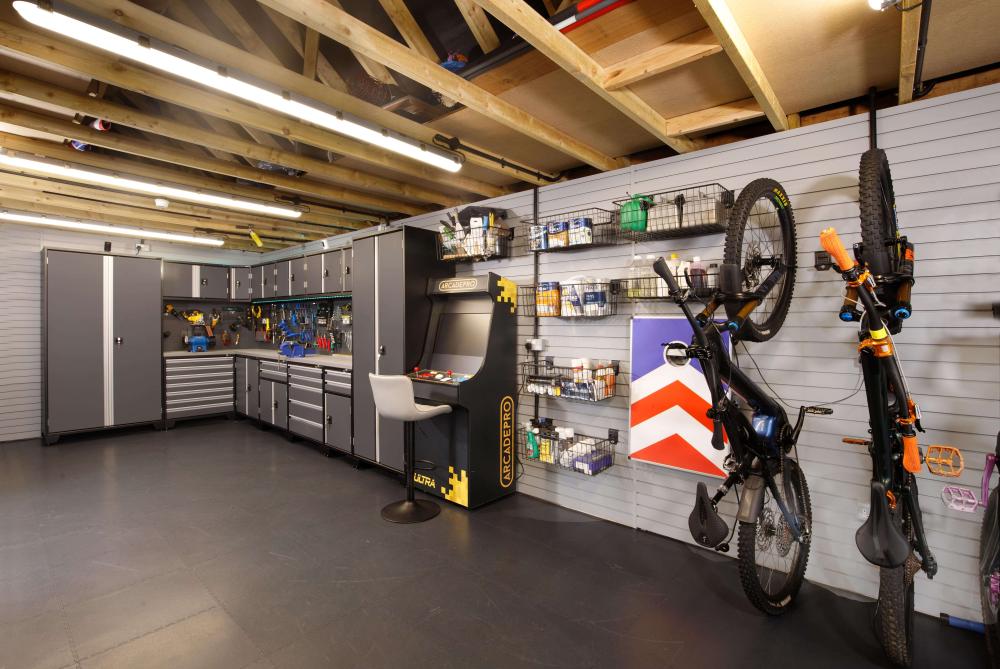
When planning a manufacturing workshop layout, start by walking the space and spotting workflow bottlenecks. We’ve found that mapping out each process step, then using value stream mapping, helps highlight where tools or materials slow things down. Zoning is key—keep areas for assembly, storage, and maintenance separate to avoid confusion and wasted movement.
Place equipment so the process flows smoothly from one task to the next. Always leave clear pathways for safety and easy movement, using floor marking and signs to guide staff. We once helped a client reorganise their tool storage, and the boost in workshop efficiency was immediate. For more on professional workshop setup, see our detailed guide.
Choosing the Right Workshop Flooring
Flooring is often overlooked in manufacturing workshop organisation, but it’s a real game-changer for safety and workflow. Choosing a durable, easy-to-clean surface helps keep the space tidy and reduces slips, which is vital for both safety compliance and workshop efficiency. We’ve found that investing in the right flooring early on saves a lot of frustration later, especially when it comes to cleaning up spills or moving heavy equipment.
Proper floor marking is another key part of lean manufacturing. Clear lines and zones help with workflow optimisation, hazard identification, and even equipment placement. For more on professional workshop flooring, see our guide on Workshop Flooring for Professional Environments.
Regular maintenance, like sweeping and checking for damage, keeps floors safe and long-lasting.
Implementing Smart Storage Solutions
Smart storage is at the heart of effective manufacturing workshop organisation. We’ve found that comparing cabinets, wall storage, and modular systems helps teams pick what suits their workflow best. For a deeper dive, our Workshop Storage Systems Compared: Cabinets, Wall Storage and Modular Options guide is a good place to start.
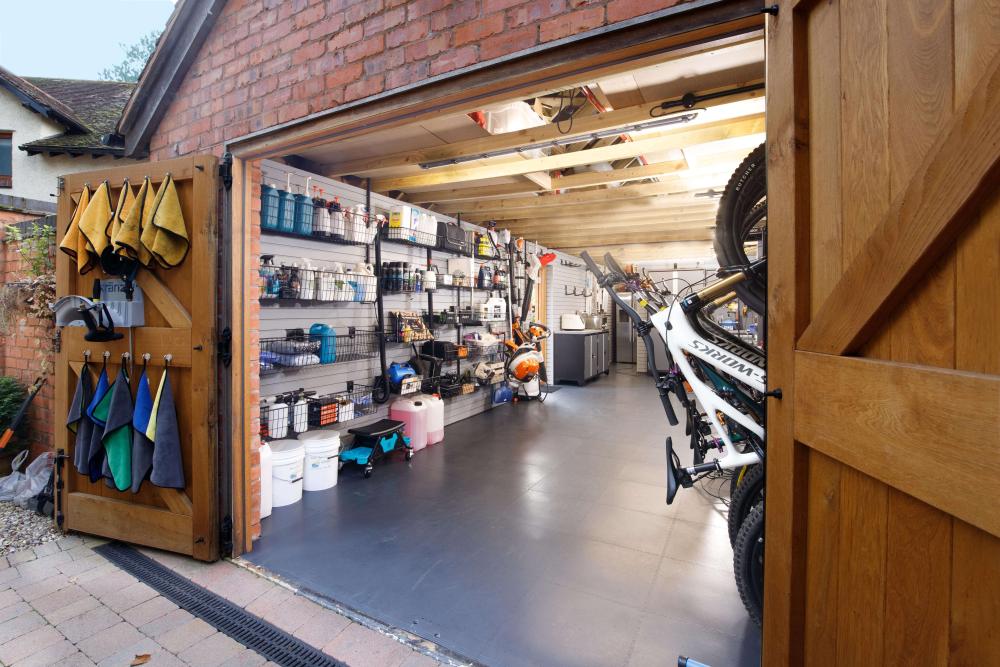
Labelling and categorising inventory is a real time-saver. It’s frustrating when you can’t find a tool, so clear labels and logical groupings make a difference. Using vertical space with shelving or wall panels keeps the floor clear and boosts safety.
Regular audits are key. We recommend setting a schedule to review storage, clear out unused items, and keep everything efficient.
Ensuring Compliance and Safety Standards
Staying on top of regulatory compliance and workshop safety is essential for any manufacturing workshop organisation. In the UK, there are clear standards for workshop layout, emergency exits, and hazardous material storage. We’ve found that marking out safety zones and keeping emergency exits clear can prevent confusion and panic during drills or real emergencies.
It’s important to store hazardous materials in proper cabinets, away from busy areas. Routine safety checks and keeping documentation up to date helps everyone stay accountable. For a deeper dive into UK workshop standards and compliance, our team recommends reading the MOT Bay Setup Guide UK: Workshop Layout, Equipment and Compliance Tips.
Common Mistakes in Workshop Organisation and How to Avoid Them
One mistake we often notice in manufacturing workshop organisation is overcrowding workspaces with equipment that rarely gets used. This not only eats up valuable space but also makes it harder to keep things tidy and safe. We always recommend a regular review of what’s actually needed on the floor, and moving surplus items into proper workshop storage.
Neglecting maintenance and cleaning routines can lead to frustration and even safety issues. Setting up a simple cleaning rota and sticking to it helps keep the workspace efficient and compliant.
Ignoring staff input is another pitfall. The people using the space daily often spot workflow snags first, so their feedback is gold for continuous improvement.
Finally, failing to adapt the layout as needs change can slow everything down. We’ve found that reviewing the workshop layout every few months, especially after new equipment arrives, keeps things running smoothly and helps avoid wasted effort.
Tips for Sustaining an Organised Workshop in 2026
Keeping a manufacturing workshop organised in 2026 takes more than a tidy-up now and then. At GaragePride, we’ve found that regular 5S audits help spot clutter before it grows, and they keep everyone focused on continuous improvement. Training staff on organisational best practices is key, especially when new team members join or processes change.
We always recommend using technology for inventory and workflow management. It saves time and helps avoid those frustrating moments when you can’t find a tool. Encouraging a culture of cleanliness and accountability makes a real difference too. When everyone takes pride in their workspace, workshop efficiency and safety compliance naturally improve.
FAQ: Manufacturing Workshop Organisation
-
What are the first steps to organise a manufacturing workshop?
Start by mapping out your workflow and identifying zones for each process. Use the 5S methodology to sort, set in order, and shine your space. In our experience, involving staff early helps spot issues you might miss. -
How often should workshop layouts be reviewed?
Review layouts at least once a year, or whenever you add new equipment. Regular checks help keep your workshop efficient and safe. Sometimes, a quick walkaround reveals small tweaks that make a big difference. -
What are the best storage solutions for small workshops?
Go vertical with wall storage and modular shelving. Use labelled bins and cabinets to keep tools visible and accessible. We’ve found that clear labelling and regular audits prevent clutter from creeping back in. -
How does lean layout improve safety and productivity?
Lean layouts reduce wasted movement and keep walkways clear. This boosts productivity and lowers accident risks. Simple changes, like floor marking and proper tool storage, can make your workshop safer and more efficient.
Conclusion
Getting your manufacturing workshop organisation right pays off fast, fewer accidents, less wasted time, and a team that can actually focus on the work. At GaragePride, we've seen what a difference the right layout and storage makes and it's one of those changes you wonder how you managed without.
Ready to get started? Take a look at your setup today and get in touch if you want help making it work in 2026.
If this got you thinking about your own setup, check out the guys at Hexagon Workspaces. They know their stuff and can help you put it all together.
Share Story


