
Workshop Flooring for Professional Environments: What to Consider Before You Buy
Workshop flooring professional enough to handle real daily use is something a lot of businesses get wrong the first time. At GaragePride, we've seen what works and what doesn't across all kinds of garages and workshops. In this guide, we cover everything from slip resistance to heavy duty options, so you can make a smart, lasting decision for 2026.
Let's get into it.
Why Workshop Flooring Matters in Professional Environments
Choosing the right workshop flooring in a professional environment is more important than many realise. At GaragePride, we’ve seen how the right industrial flooring can make a real difference to safety, productivity, and even the look of a workspace. Slip-resistant flooring helps prevent accidents, which is a relief for everyone.
A good epoxy workshop floor or heavy-duty PVC tiles can handle heavy loads and constant foot traffic, supporting both people and machinery. The right flooring also protects equipment from damage, which can save on maintenance costs over time. Plus, a clean, professional-looking floor boosts morale and helps with compliance to UK workshop standards.
It’s a lesson we’ve learned: never underestimate your floor.
Key Factors to Consider Before Buying Workshop Flooring
Choosing the right workshop flooring for professional spaces is a big decision. At GaragePride, we always look at how much weight the floor needs to handle, especially in busy industrial workshops or car bays. Heavy-duty flooring is a must for areas with machinery, tools, or vehicles.
You’ll want flooring that stands up to oil, chemicals, and constant foot traffic. Slip-resistant flooring is key for workshop safety, especially in wet or oily spots. We’ve seen how a chemical resistant floor can save hours of workshop floor repair.
Think about cleaning and maintenance too. Easy-to-clean surfaces make life simpler and help with workshop compliance. Quick installation and minimal downtime are important, especially if you can’t close the workshop for long.
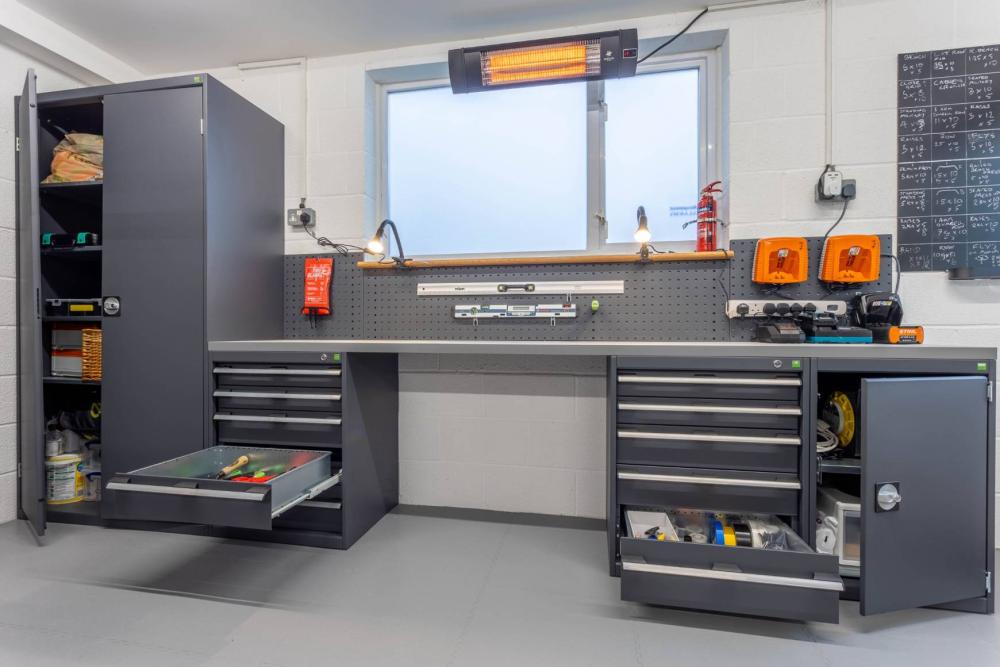
Popular Types of Workshop Flooring for Professional Use
Choosing the right workshop flooring professional material can make or break your workspace. At GaragePride, we’ve seen how the right floor boosts safety and makes maintenance less of a headache. Here’s a quick look at the most common options:
-
Epoxy coatings give a seamless, tough surface that stands up to chemicals and heavy use. They’re great for workshop safety but can be tricky to repair if damaged.
-
PVC and rubber tiles are easy to install and swap out. They’re comfy underfoot and help with anti-fatigue flooring, but sometimes struggle with heavy machinery.
-
Concrete sealers are cost-effective and low maintenance, though not as slip-resistant as other choices.
-
Resin flooring offers high performance for demanding, industrial environments, but usually comes with a higher price tag.
We’ve learned that matching the floor to your workshop’s needs saves time and frustration down the line.
How to Set Up a Professional Car Workshop: Flooring and More
When setting up a professional car workshop, flooring is a big part of the whole plan. Start by mapping out your workshop layout for smooth workflow and safety. Think about where heavy equipment, storage, and work zones will go, as flooring for car workshops needs to handle weight, oil, and constant foot traffic.
Coordinate your flooring choice with storage and equipment needs. For example, epoxy workshop floors or PVC tiles work well under tool cabinets and lifts. Always check that your flooring meets UK workshop standards for slip resistance and fire safety.
Plan for the future. If you might expand or reconfigure, choose flooring that’s easy to repair or extend. We’ve found that a bit of planning now saves a lot of frustration later. For more on layout and essentials, see our professional car workshop setup guide.
Compliance and Safety Standards for Workshop Flooring
When it comes to workshop flooring professional environments must meet strict UK and international standards. Health and safety rules require slip-resistant flooring to help prevent falls, especially in busy or wet areas. Fire safety is also key, so flooring should be fire resistant and able to contain chemical spills to protect both people and property.
Accessibility matters too. Flooring should be level and easy to move across, supporting everyone including those with mobility needs. Ergonomic flooring, like anti-fatigue options, can help reduce strain for staff who stand for long periods.
Always keep proper documentation and certification for your flooring. This is vital for inspections and compliance, especially if you’re setting up an MOT bay. For more on workshop compliance, see our MOT Bay Setup Guide UK.
Designing Workshop Flooring for Educational and Training Environments
When planning workshop flooring professional solutions for schools, colleges, or training centres, durability is key. High student turnover means the floor takes a real beating, so we always recommend heavy-duty options like resin flooring or PVC tiles for these spaces. Safety is another big concern, especially with young or inexperienced users. Slip-resistant flooring and clear markings help prevent accidents. Easy cleaning is a must, too. We’ve found that simple maintenance protocols keep things looking smart and safe, even after messy lessons. Integrating flooring with teaching and demo areas is vital. For more on layout and safety, see our guide on how to design a school or college workshop.
Common Mistakes to Avoid When Choosing Workshop Flooring
Choosing workshop flooring for a professional environment can be tricky. One common mistake is underestimating the load and traffic your floor will face. If you pick something too light, you might end up with cracks or dents, especially in busy areas or under heavy equipment.
Another pitfall is ignoring chemical and oil resistance. Workshops often deal with spills, so a floor that isn’t chemical resistant or oil resistant can stain or even break down over time. We’ve seen clients frustrated when their new floor started peeling after a few months because it couldn’t handle workshop chemicals.
It’s easy to get caught up in how the floor looks, but prioritising aesthetics over functionality can backfire. Always check if the flooring is slip-resistant and suitable for your specific workshop layout. Neglecting long-term maintenance costs is another error. Some floors might seem affordable at first, but regular repairs or special cleaning can add up quickly.
Think about durability, safety, and maintenance from the start. It saves a lot of hassle and money in the long run.

Tips for Maintaining Professional Workshop Flooring
Keeping workshop flooring professional and safe takes a bit of effort, but it pays off. Regular cleaning is key, especially in busy spaces where oil, dust, or chemicals can build up. We always recommend dealing with spills straight away to avoid stains and slips, which helps keep the floor looking sharp and compliant with UK workshop standards.
If you spot any damage or wear, prompt repair is a must. Small cracks or chips can quickly become bigger problems if ignored. Scheduled inspections help catch these issues early and make sure your flooring meets safety requirements.
In high-impact areas, like under heavy tools or workbenches, protective mats can really extend the life of your industrial flooring. For more on workshop layout and floor care, see our guide on bicycle repair shop setup in the UK.
FAQ: Workshop Flooring for Professional Environments
-
What is the best flooring for heavy-duty workshops?
For heavy-duty workshops, we usually recommend epoxy workshop floors, resin flooring, or PVC tiles. These options handle machinery, tools, and high foot traffic well. They are also easy to clean and maintain. -
How do I ensure my flooring meets safety standards?
Always check your flooring is slip-resistant and chemical resistant. Look for compliance with UK workshop standards and make sure the floor is suitable for your specific environment, like a car workshop or MOT bay. If in doubt, consult a professional for advice. -
Can I install new flooring over existing surfaces?
In many cases, yes. We have seen successful installations of PVC tiles and epoxy coatings over concrete and old tiles. The key is making sure the existing surface is clean, dry, and level before starting. -
How long does professional workshop flooring typically last?
With proper flooring maintenance, professional workshop flooring can last many years. The lifespan depends on the material, usage, and how well it is cared for. Regular cleaning and quick repairs help extend the life of your floor.
Conclusion
The right workshop flooring for professional environments does more than look good, it keeps your team safe, your space efficient, and your investment lasting for years. At GaragePride, we've seen firsthand what a difference the right floor makes and we're here to help you get it right first time.
Ready to take the next step? Get in touch and we'll help you find the best flooring solution for your space in 2026.
If this got you thinking about your own setup, check out the guys at Hexagon Workspaces. They know their stuff and can help you put it all together.
Share Story


