
Mobile vs Fixed Workbenches (When Wheels Make Sense)
The mobile vs fixed workbench decision changes how your entire garage operates. It comes down to whether you need flexibility or maximum stability for the work you do most.
Fixed benches offer unbeatable rigidity for heavy clamping, drilling, and precision tasks. Mobile benches give you freedom to reconfigure your space, roll outside for messy jobs, or tuck away when you need floor space. In this piece, we'll cover when wheels make sense versus when they create problems, and how to pick what actually matches your workflow.
Understanding Mobile vs Fixed Workbenches
A mobile workbench is a work surface fitted with wheels, making it easy to move around your garage or workshop. These are great for flexible spaces, especially if you need to reconfigure your setup or share the area with others. Features often include lockable castors, built-in storage like drawers or cupboards, and sometimes adjustable height.
A fixed workbench, sometimes called a stationary workbench, is installed in one spot and stays put. These are known for their stability and strength, making them ideal for heavy-duty tasks or when you need a solid base for woodworking or metalworking.
The main differences come down to mobility and stability. Mobile workbenches offer flexibility and are perfect for shared or changing spaces, while fixed workbenches excel in environments where strength and safety are top priorities. In our experience, choosing the right type can save a lot of frustration, especially if your workflow changes often or you need to maximise a small space.
Benefits of Mobile Workbenches: When Wheels Make Sense
A mobile workbench can be a real game-changer when you need flexibility in your workspace. We’ve found that being able to move a workbench with wheels around the garage or workshop makes it much easier to reconfigure layouts, especially if you’re juggling different projects or sharing space with others. It’s a relief not having to wrestle heavy furniture just to sweep up or reach awkward corners for cleaning and maintenance.
Mobile workbenches are especially handy in multi-purpose areas. You can quickly adapt your setup for woodworking, repairs, or assembly tasks. If you want more tips on setting up a flexible workspace, check out our workshop furniture advice.
Advantages of Fixed Workbenches: Stability and Strength
When comparing a mobile vs fixed workbench, stability is where a stationary setup really shines. Fixed workbenches offer superior strength, making them ideal for heavy-duty tasks like woodworking or metalworking. The increased weight capacity means you can tackle bigger projects without worrying about wobbling or tipping.
A fixed workbench is also safer for precision work. There’s less risk of movement when using sharp tools or delicate equipment. Many professionals prefer a stationary workbench for this reason.
Permanent integration with your workshop or garage means you can secure the bench to the floor or wall for even more stability. For tips on this, see our guide on how to secure a workbench to the floor or wall.
Key Considerations When Choosing Between Mobile and Fixed Workbenches
Choosing between a mobile vs fixed workbench really comes down to how you use your space and what you need day to day. Start by looking at your workspace size and layout. If you’re working in a tight garage or a shared workshop, a portable workbench with wheels can make life easier, letting you move around bulky tools or clear space for bigger projects.
Think about the types of projects and tools you use most. Heavy-duty woodworking or metalworking often needs a stationary workbench for stability and safety. If you’re always reconfiguring your setup or moving between tasks, mobility is a real win.
Budget matters too. Investing in the right workbench setup saves frustration and money in the long run.
Ergonomics and Workbench Height: Getting It Right
Getting the workbench height right is crucial for comfort and productivity, whether you choose a mobile or fixed workbench. If your bench is too high or too low, you’ll quickly notice sore shoulders, aching backs, and tired legs. We’ve seen people struggle with fatigue simply because their garage workbench wasn’t set up at the right height.
For best results, measure from the floor to your wrist crease when standing relaxed. Adjustable options are handy for shared or multi-use spaces, especially with a workbench with wheels. Avoid common mistakes like guessing the height or ignoring posture. For more tips, check out our ergonomics guide on workbench height. Proper setup makes all the difference.
Integrating Storage: Maximizing Workbench Utility
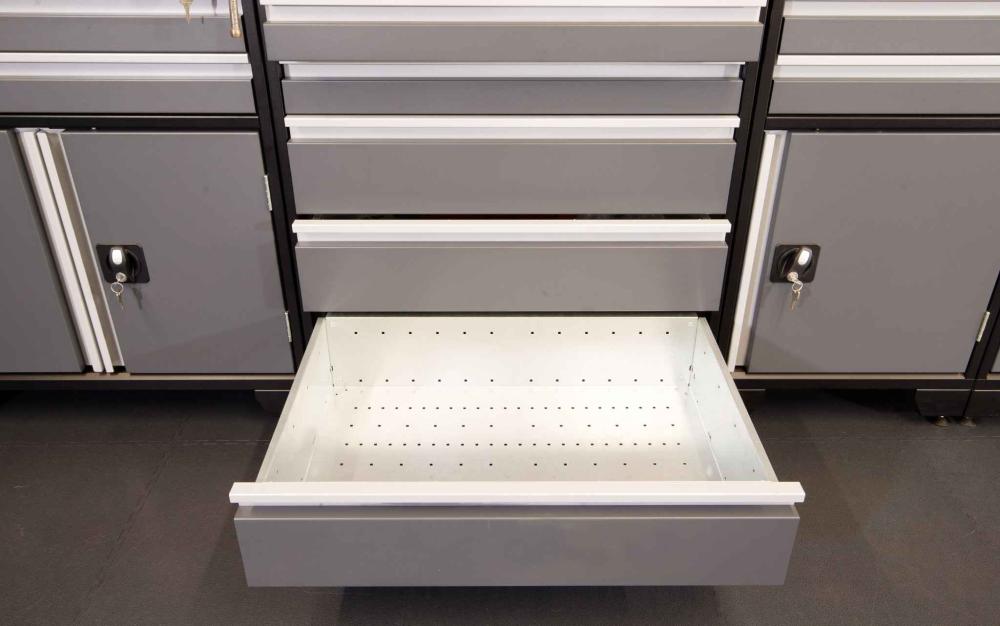
Storage is a big part of getting the most from your mobile vs fixed workbench. Built-in drawers, cupboards, and shelving can make a real difference in how tidy and efficient your workspace feels. With a mobile workbench, you get flexibility, but sometimes it’s tricky to access storage when you’re moving around or working in tight spots.
Fixed workbenches often allow for deeper drawers and sturdier shelving, which is handy for heavier tools. We’ve found that customising storage for your specific tools and materials saves a lot of frustration. Balancing storage with workspace means not overloading your bench, so you keep everything within easy reach. For more on storage integration, see our Workbench Storage Integration guide.
Common Mistakes to Avoid with Workbench Selection
Choosing between a mobile vs fixed workbench can be tricky, and we’ve noticed a few common mistakes that can cause real frustration later. One big error is overlooking weight capacity and stability. A mobile workbench with wheels might seem handy, but if it can’t handle your tools or wobbles during use, it’s not safe or practical.
Another pitfall is ignoring how your workspace flows. If your workbench blocks access to cupboards or tools, you’ll waste time and energy moving things around. Picking the wrong size is another headache, especially in smaller garages.
Don’t forget about future flexibility. If you plan to expand or reconfigure, a stationary workbench might limit your options. Always think ahead.
How to Decide: Mobile vs Fixed Workbench for Your Needs
Choosing between a mobile vs fixed workbench starts with looking at your main tasks and how you like to work. If you often need to move tools or projects around, a mobile workbench with wheels can make life easier. For heavy-duty jobs or when stability is key, a stationary workbench is usually best.
Think about your space. Small garages or shared workshops often benefit from mobility, while larger spaces can handle a fixed setup. Storage matters too. Do you need drawers, shelving, or cupboards built in?
We always suggest sketching or mapping out your ideal setup before buying. Sometimes, just moving a table around the garage helps you spot what works. Take your time, and avoid rushing into a decision.
FAQ: Mobile vs Fixed Workbench
-
Which is safer: mobile or fixed workbench?
A fixed workbench is usually safer because it stays put and offers more stability. Mobile workbenches can be safe too, but only if the wheels are locked and the surface is level. We’ve seen people get frustrated when a mobile workbench moves unexpectedly, so always check the locks before starting any heavy work. -
Can I convert a fixed workbench to a mobile one?
Yes, you can add heavy-duty castors to many stationary workbenches. Make sure the wheels are rated for the weight and lock securely. If you’re unsure, ask a professional for advice to avoid mistakes. -
What is the ideal workbench height for most users?
Most people find a workbench height between 85 and 95 centimetres comfortable. This range suits general tasks and helps with workbench ergonomics. Taller or shorter users might need to adjust for comfort. -
How do I secure a mobile workbench when needed?
Lock all the wheels firmly before starting work. For extra stability, position the workbench against a wall or use wheel chocks. Never skip this step, especially when using heavy tools or materials.
Conclusion
Choosing between mobile and fixed workbenches depends on whether you prioritize flexibility or rock-solid stability. Both have their place depending on your garage size and the type of work you do regularly.
At GaragePride, our workbench range includes mobile models with lockable castors and fixed benches built for maximum rigidity. Browse our garage workbenches to compare mobile and fixed options.
Share Story


