
Workbench Storage Integration (Drawers, Cupboards & Shelving)
A well-organised workbench is the difference between a garage that works for you and one that works against you. Without proper storage, tools pile up, space disappears, and a five-minute job turns into a twenty-minute hunt. The right setup puts drawers where you need them for small items, cupboards for bulkier gear, and shelving for what you use constantly. Everything has a home and you can actually get on with the work.
This guide shows you how to build storage that fits how you actually work. You'll learn what goes where, why it matters, and how to create a workspace that doesn't fight you at every turn.
Understanding Workbench Storage Integration
Workbench storage integration means building storage like drawers, cupboards, and shelving right into your workbench. This approach is key for workspace optimisation, especially in busy workshops where tool organisation and easy access matter. When everything has a place, you spend less time searching and more time working.
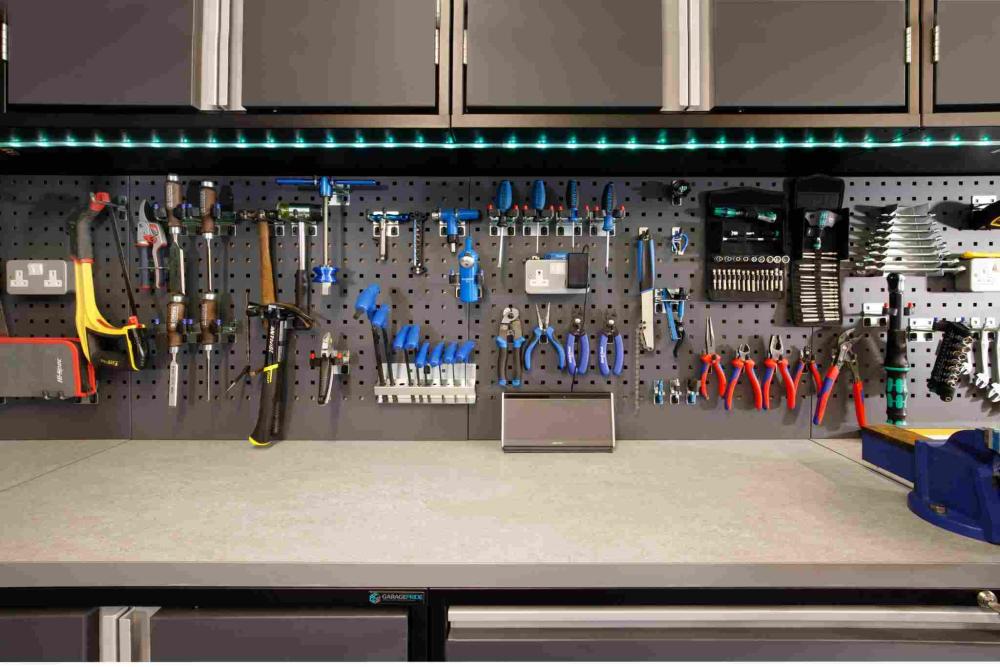
Integrated drawers keep small tools tidy, while cupboards hide away bulkier items. Open shelving is great for things you grab often. We’ve found that a well-planned layout can really cut down on clutter and frustration, making the whole workshop feel more efficient.
Looking ahead to 2026, modular storage solutions and ergonomic storage design are becoming more popular, helping future-proof your workspace. For more ideas, visit our workshop storage insights.
Planning Your Workbench Storage Layout
Getting your workbench storage integration right starts with a good look at your tools and supplies. Lay everything out and ask yourself what you use most, what needs to be locked away, and what can sit on open shelving. We often find that grouping similar tools together helps avoid clutter and makes daily tasks smoother.
Think about where drawers, cupboards, and shelves will fit best. Place integrated drawers near your main work area for quick access. Use cupboards for bulkier items and shelving for things you grab often.
Balancing accessibility with space can be tricky. Always check your workbench dimensions before planning. Leave room for future upgrades, as your tool collection will likely grow.
Choosing the Right Storage Components
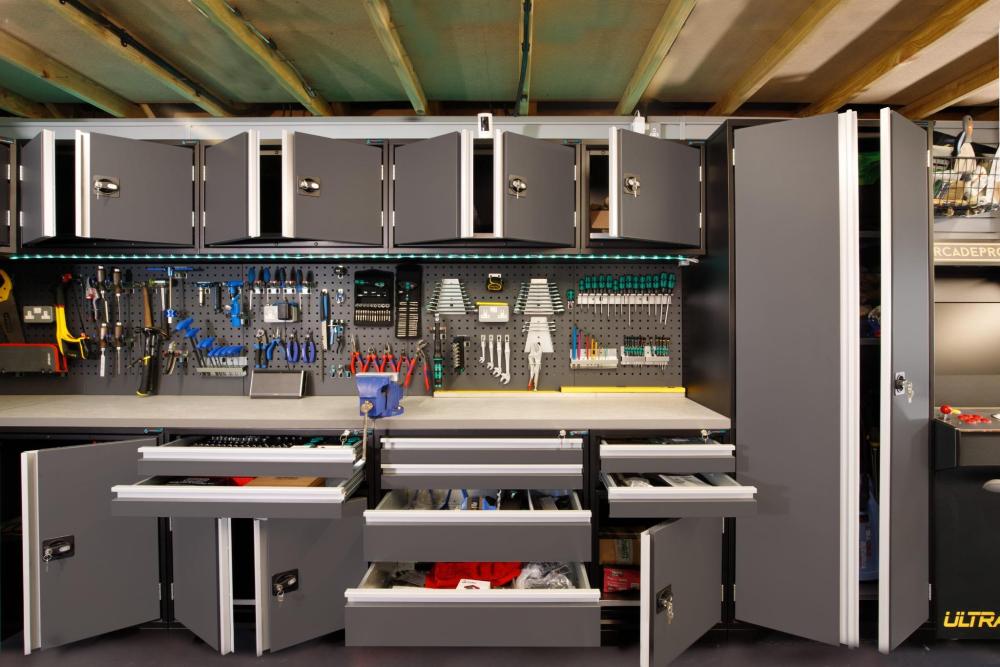
When it comes to workbench storage integration, the right components make all the difference. We often see people struggle with clutter because they pick the wrong materials or sizes. Metal drawers are tough and easy to clean, while wood brings warmth but needs more care. Composite options can be a good middle ground for garage workbench storage.
Choosing drawer sizes depends on your tools. Deep drawers suit power tools, while shallow ones keep hand tools visible. For secure and dust-free storage, closed cupboards are a smart choice. Open shelving gives quick access but can collect dust, so it’s best for items you use daily. Closed shelving keeps things tidy and protected.
Installation Tips for Seamless Integration
Getting your workbench ready for new storage is all about planning and patience. Start by clearing the surface and checking your workbench dimensions, making sure there’s enough space for integrated drawers or cupboards. We always recommend measuring twice before drilling anything, as a misplaced hole can be a real frustration.
When mounting drawers or cupboards, use sturdy fixings and double-check alignment. For shelving, focus on stability and even weight distribution. Heavy-duty shelving works best for larger tools, while lighter items can go on open shelving.
A common mistake is overloading shelves or not securing units properly. For extra stability, see our guide on how to secure a workbench to the floor or wall. Proper installation means safer, more efficient garage workbench storage.
Ergonomics and Accessibility in Storage Design
Designing workbench storage integration for comfort and safety is all about making your workspace work for you. At GaragePride, we always recommend keeping drawers and shelves between waist and shoulder height to avoid awkward bending or stretching. Place your most-used tools in the front or at the top, so you can grab them without searching.
Labelling each drawer or cupboard helps you find things quickly, especially when you’re in a rush. If you share your garage or workshop, consider adjustable shelving to suit users of different heights. We once helped a family set up their garage workbench storage so both adults and teens could reach everything safely—everyone was chuffed with the result.
For more on ergonomic workbench height, see our ergonomics guide.
Benefits of Integrated Workbench Storage
A well-planned workbench storage integration can make a world of difference in any garage or workshop. By combining integrated drawers, cupboards, and shelving, you maximise your available workspace and keep clutter at bay. This not only makes the area look tidier, but also helps you find tools quickly, which can be a real relief during a busy project.
Proper tool organisation means your equipment is stored safely, reducing wear and tear. We’ve noticed that tools last longer when they’re not left out or piled up. It’s a simple change, but it saves money and frustration over time.
Integrated storage also boosts safety by keeping walkways clear, so there’s less risk of tripping or accidents.
Maintenance and Upkeep of Workbench Storage
Keeping your workbench storage integration in top shape is all about regular attention. At GaragePride, we always recommend a quick weekly wipe-down to keep dust and grime from building up, especially on integrated drawers and workbench shelving. Every few months, check for loose screws, sticking drawer runners, or worn cupboard hinges.
If you spot any damage, repair or replace those parts straight away. As your tool collection grows, adapt your storage by adding new modular units or rearranging shelves.
A simple labelling system helps keep everything organised long-term. We once helped a client who struggled with clutter, but after a few tweaks and regular upkeep, their garage workbench storage stayed tidy for good.
Common Mistakes to Avoid in Workbench Storage Integration
When planning workbench storage integration, a few common mistakes can really trip you up. Overloading shelves or drawers is a classic error. Even heavy-duty shelving has its limits, and exceeding them can lead to sagging or even collapse. Always check the weight rating before stacking tools or supplies.
Neglecting ergonomic considerations is another pitfall. If integrated drawers or cupboards are too low or too high, you’ll find yourself straining or bending awkwardly. We’ve learnt that a comfortable workbench height and easy tool accessibility make a world of difference in daily use.
Failing to secure storage components properly can cause instability. Loose shelving or wobbly cupboards are not just annoying, they’re unsafe.
Ignoring future storage needs during planning is a frustration we’ve seen too often. Think about how your tool collection might grow, and leave space for upgrades or new storage solutions. Proper planning now saves hassle and clutter later.
FAQ: Workbench Storage Integration
-
What is the best way to organise tools in workbench drawers?
Start by grouping tools by type or frequency of use. Use dividers or foam inserts to keep everything in place and avoid clutter. Labelling each section helps everyone find what they need quickly, which really boosts workshop efficiency. -
How do I choose between open shelving and cupboards?
Open shelving is great for items you grab often, but it can collect dust. Cupboards keep things dust-free and secure, which is handy for expensive or delicate tools. We’ve found a mix of both works best for most garage workbench storage setups. -
Can I retrofit storage into an existing workbench?
Yes, retrofitting is possible with modular storage solutions. Measure your available space and check the workbench stability before adding integrated drawers or shelving. Sometimes, a simple upgrade like adding a cupboard underneath can make a big difference. -
What maintenance is required for integrated storage systems?
Regular cleaning and checking for loose fittings keeps everything safe and tidy. Wipe down surfaces, tighten screws, and look for signs of wear. A bit of upkeep goes a long way for tool longevity and secure workbench storage.
Conclusion
Choosing between mobile and fixed workbenches depends on whether you prioritize flexibility or rock-solid stability. Both have their place depending on your garage size and the type of work you do regularly.
At GaragePride, our workbench range includes mobile models with lockable castors and fixed benches built for maximum rigidity. Browse our garage workbenches to compare mobile and fixed options.
Share Story


