
How to Choose Workbench Height for Your Garage (Ergonomics Guide)
The wrong workbench height can turn a simple task into an uncomfortable battle with back pain and shoulder strain. At GaragePride, we see the same setup mistakes in garages across the UK, and most start with choosing the wrong height.
In this guide, you'll learn how to calculate your ideal workbench height based on your body and the work you do. We'll cover ergonomic principles, common mistakes, and simple adjustments that improve comfort and productivity.
Why Workbench Height Matters in Your Garage
Getting the workbench height right in your garage can make a huge difference to your comfort and safety. A poorly set garage workbench height often leads to sore backs, stiff necks, and aching shoulders, especially during longer projects. We’ve noticed that when people adjust their workbench to a more ergonomic height, they’re less likely to complain about fatigue or awkward postures.
A comfortable workbench height also helps you reach tools and materials more easily, which keeps your workflow smooth and efficient. You’ll spend less time stretching or bending, and more time actually getting things done. This simple change can boost productivity and make your garage workspace feel much more inviting for those longer sessions.
Understanding Ergonomics: The Science Behind Workbench Height
Ergonomics is all about making your garage workspace fit you, not the other way round. The right workbench height in your garage can help prevent those annoying aches and repetitive strain injuries that creep up after long hours. We always remind clients that your personal height and reach are just as important as the type of tasks you do.
Different jobs need different bench heights. For example, detailed work like electronics or crafts often feels easier at a higher bench, while heavy tasks or woodworking might be more comfortable at a lower one. If you’re unsure, our team suggests starting with a height that lets your forearms rest flat on the surface when standing naturally.
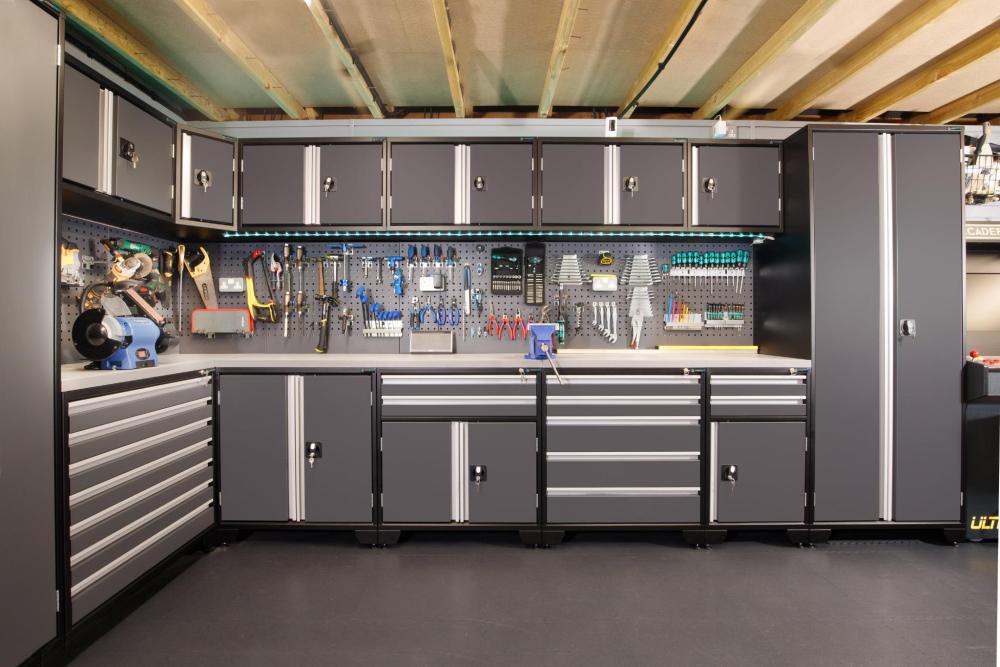
How to Measure and Determine the Ideal Workbench Height
Finding the ideal workbench height for your garage starts with a simple measurement. Stand upright with your arms relaxed at your sides, then bend your elbows to a 90-degree angle. Measure from the floor up to your forearms, this is usually a comfortable starting point for most people.
Think about the type of work you’ll be doing. Heavy-duty tasks like hammering or car repairs often feel easier with a slightly lower bench, while precision jobs such as electronics or crafts benefit from a higher surface. Always factor in your footwear, as boots or trainers can add a bit of height.
We’ve helped many clients adjust their garage workbench height for comfort and safety. For more detailed guidance, see our ergonomics guide on choosing workbench height for your garage.
Common Mistakes When Choosing Workbench Height
Choosing the right workbench height for your garage can be trickier than it looks. One common mistake is just picking a standard measurement and ignoring your own height. This can lead to back pain or awkward working positions, especially if you’re taller or shorter than average.
Another pitfall is forgetting to think about the main tasks you’ll do. For example, woodworking, mechanics, and crafts all need different heights for comfort and safety. It’s also easy to overlook the thickness of anti-fatigue mats or flooring, which can throw off your ideal garage workbench height.
At GaragePride, we always recommend testing the height before fixing anything in place. A quick trial can save a lot of frustration later.
Adjustable vs. Fixed Workbench Heights: Pros and Cons
Choosing between an adjustable or fixed workbench height for your garage can feel like a big decision. Adjustable benches are brilliant for shared spaces or if you tackle a range of tasks, as you can tweak the height for comfort and better ergonomics. This is especially handy if your garage workspace is used by people of different heights or for both standing and sitting jobs.
Fixed benches, on the other hand, tend to be sturdier and often cost less. They’re a solid choice if you know your ideal workbench height and don’t expect your needs to change. At GaragePride, we’ve noticed some frustration when users outgrow a fixed bench, so it’s wise to think about future projects and users.
When considering adjustable options, check how easy it is to change the height and whether the bench stays stable after adjustment. Stability is key for safety and workflow. Always weigh up your current needs, but don’t forget to plan for changes in your garage setup down the line.
Workbench Positioning and Layout Tips for Your Garage
Getting your garage workbench in the right spot makes a huge difference to your workflow and comfort. At GaragePride, we always recommend leaving enough space around the bench so you can move freely, even when carrying bulky items. Place your workbench close to power outlets and tool storage to avoid trailing cables and constant back-and-forth.
Good lighting and ventilation are essential for a comfortable garage workspace. If you’re often reaching for the same tools, keep them within arm’s reach to save time and frustration. For more detailed advice on workbench positioning and layout, check out our guide on Workbench Positioning in Your Garage (Layout & Workflow Tips).
Choosing the Right Workbench Top Material
Selecting the right workbench top material is a big part of getting your workbench height garage setup just right. Wood, steel, and MDF all have their own benefits and come in different thicknesses, which can change your final bench height. For example, a thick wood workbench top adds a bit more height, while steel is usually thinner but tougher.
Think about what you’ll use your garage workbench for most. Heavy-duty jobs might need a steel workbench, while crafts or woodworking often feel better on wood or MDF. Each material has its own maintenance needs and durability, so it’s worth reading our Workbench Top Materials Explained (Wood, Steel & MDF Compared) guide for more details. We’ve found that matching the surface to your main tasks makes a real difference in comfort and workflow.
Expert Tips for Customizing Your Workbench Height
Customising your workbench height in the garage can make a world of difference for comfort and productivity. At GaragePride, we always suggest starting by testing different heights using temporary risers or sturdy blocks. This lets you find a comfortable workbench height before making anything permanent.
If you want flexibility, adjustable legs or casters are a smart choice. They help you tweak your garage workbench height as your needs change. For extra comfort, especially during long projects, anti-fatigue mats can really help reduce tiredness.
If your workbench is shared, ask others for feedback. We’ve found that a quick chat about preferences can prevent frustration later. Personalising your setup leads to a more ergonomic workbench and a happier workspace.
FAQ: Workbench Height Garage
-
What is the standard workbench height for a garage?
The typical garage workbench height is around 90 centimetres. This suits most adults for general tasks. If you’re taller or shorter, you might need to adjust for comfort. -
How do I adjust my workbench height for different tasks?
For heavy work like mechanics, a lower bench gives more leverage. For precision tasks like electronics or crafts, a higher surface helps reduce back strain. Some people use adjustable legs or risers for flexibility. -
Can I modify an existing workbench to change its height?
Yes, you can add blocks under the legs or trim them down. Adjustable feet or casters can also help. We’ve found that even a small change can make a big difference in comfort. -
What are signs my workbench height is incorrect?
If you feel back, neck, or shoulder pain, your workbench height might be off. Struggling to reach tools or feeling cramped are also clues. Listen to your body and tweak your setup for a more ergonomic workbench.
Conclusion
Getting your workbench height right makes every task in your garage easier and more comfortable. Whether you're working on detailed projects or heavy-duty repairs, the correct height reduces strain and keeps you productive for longer.
At GaragePride, our range of garage workbenches includes models with adjustable heights and ergonomic features designed for real-world use. Browse our heavy-duty garage workbenches to find a setup that fits your space and working style.
Share Story


