
Workbench Top Materials Explained (Wood, Steel & MDF Compared)
The workbench top you choose can make or break your entire garage setup. Pick the wrong material and you'll be dealing with warped surfaces, permanent stains, or a bench that can't handle the work you're throwing at it.
Choosing the right workbench top materials isn't about what looks good or costs least. Steel laughs off oil spills and hammer blows but costs more upfront. Hardwood gives you that solid feel but needs protection from chemicals. MDF keeps costs down but won't survive moisture or serious abuse.
In this guide, we'll compare wood, steel, and MDF workbench tops honestly. You'll learn what each material can actually handle, where they fail, and which one fits the work you do in your garage.
Understanding Workbench Top Materials
Choosing the right workbench top materials is more important than many realise. The surface you pick affects everything from durability to maintenance and even cost. At GaragePride, we’ve helped plenty of clients who regretted not thinking about their workbench surface options before starting a project.
Different tasks need different surfaces. For woodworking, a hardwood workbench is sturdy and gentle on tools. Metalworking or heavy-duty jobs often call for a steel workbench top, which is tough and easy to clean. MDF workbench tops are smooth and affordable, great for crafts or light assembly, but they don’t handle moisture well.
Key factors to weigh up:
-
Durability and strength
-
Maintenance and repair needs
-
Upfront and long-term cost
Selecting the best workbench top can save frustration and money.
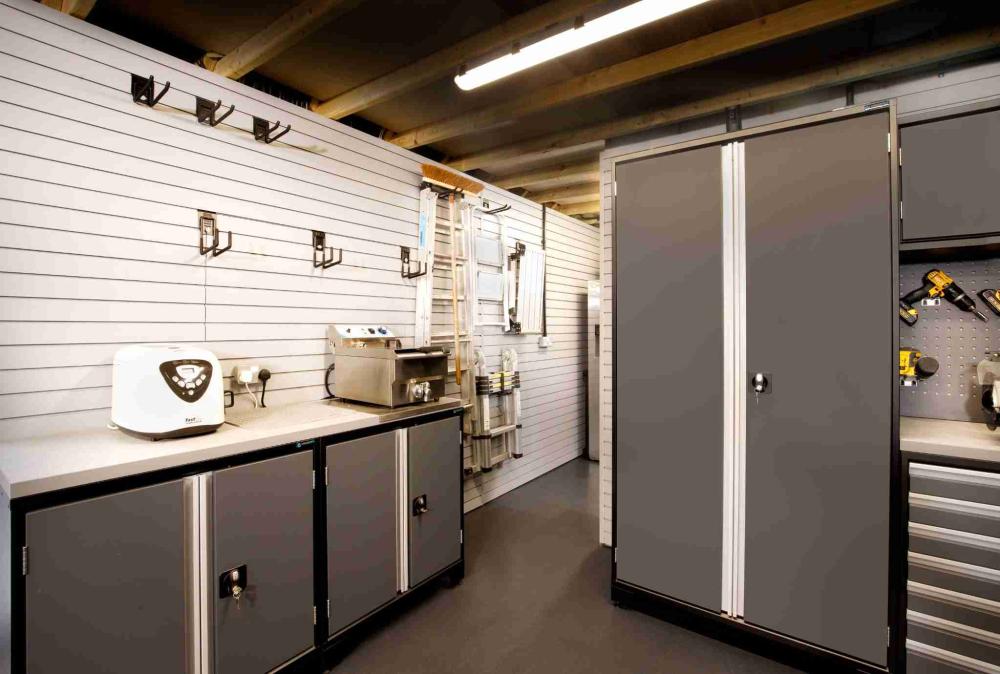
Wood Workbench Tops: Classic Versatility
Wood is a classic choice for workbench top materials, offering a blend of versatility and warmth that’s hard to beat. At GaragePride, we’ve found hardwoods like beech and maple are popular for their strength and durability, while softwoods such as pine are more affordable but can dent more easily. Wood tops are gentle on tools, easy to repair with a bit of sanding, and look great in any workshop.
However, wood can be sensitive to moisture and humidity, which may cause warping or swelling over time. For woodworking and general use, a hardwood workbench is often the best workbench top. Just remember, regular maintenance and sealing help keep your workbench surface options in top shape.
Steel Workbench Tops: Industrial Strength
Steel workbench tops are the go-to choice for anyone needing industrial strength and exceptional durability. These surfaces handle heavy-duty tasks, like automotive repairs or metalworking, without flinching. They resist most chemicals, so spills are less of a worry, and cleaning up is a breeze with just a quick wipe.
One thing we’ve noticed in busy workshops is that steel tops can be noisy, especially when using metal tools. They might also dent or scratch delicate equipment, so it’s worth having a softer mat handy for fragile jobs. If you’re curious about how much weight your steel workbench can handle, our Workbench Weight Capacity Guide covers load ratings and safety tips.
MDF Workbench Tops: Affordable and Smooth
MDF is a popular choice when it comes to workbench top materials, especially for those after a smooth, flat surface. It’s brilliant for assembly, crafts, or electronics work because tools and parts don’t snag or roll away. The cost is low, so replacing it isn’t a big headache if it gets damaged.
However, MDF doesn’t like moisture. If your workshop gets damp, it can swell or warp, which is frustrating. Heavy impacts can dent or chip it, so it’s not the best workbench top for heavy-duty jobs. We’ve found MDF works best for light-duty or temporary benches, especially where a clean, even surface is more important than long-term durability.
How to Choose the Right Workbench Top Material
Choosing the right workbench top material starts with thinking about what you do most in your workshop. If you’re into woodworking, a hardwood workbench gives a sturdy, forgiving surface. For metalworking or heavy-duty tasks, a metal workbench top is often best for durability and easy cleaning.
Budget matters too. MDF workbench tops are affordable and smooth, but they might not last as long as hardwood or steel. Consider how much maintenance you’re willing to do, and how often you want to replace or repair your workbench top.
Humidity and temperature in your workspace can affect your choice. Wood can swell or shrink, while steel resists moisture but can feel cold. If you want more detail on sizing, our Workbench Dimensions Guide can help.
Finally, balance looks with function. Some folks love the classic look of wood, while others prefer the industrial feel of steel. Think about what will make your workshop feel right for you.
Workbench Top Maintenance Tips
Keeping your workbench top in good nick is all about regular care. At GaragePride, we always recommend wiping up spills straight away, especially if you’re working with paint, oil, or glue. Routine cleaning with a damp cloth helps prevent build-up and keeps your workbench surface options looking their best.
For wood and MDF, a protective sealant or oil finish can make a big difference. It helps block moisture and stains, which is key for workbench top longevity. Steel tops need a light coat of oil now and then to stop rust, especially in damp garages.
If you spot deep gouges or warping, it might be time for repair or even workbench top replacement.
Common Mistakes When Selecting Workbench Top Materials
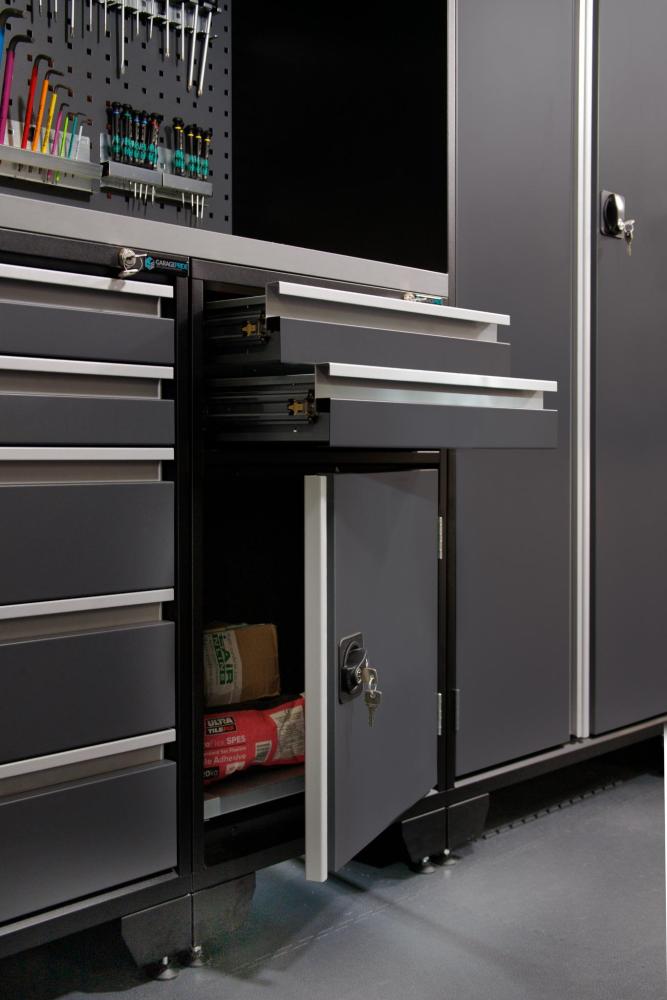
Choosing workbench top materials can be tricky if you miss a few key details. One common mistake is ignoring weight capacity and load requirements. If you pick a workshop bench top that can’t handle your tools or projects, you’ll end up frustrated and possibly with a damaged surface.
Another pitfall is overlooking your workspace environment. Moisture and temperature swings can ruin even the best workbench top if you don’t consider them. We’ve seen hardwood workbenches warp in damp garages, which is always a headache to fix.
Don’t choose based solely on price. Cheap options might seem tempting, but they often lack durability or proper finish.
Finally, neglecting proper installation and securing methods can lead to wobbly benches. For stability tips, check out our guide on how to secure a workbench to the floor or wall.
FAQ: Workbench Top Materials
-
Which workbench top material is best for heavy-duty use?
For heavy-duty tasks, steel workbench tops are the most durable. They handle knocks, heat, and heavy tools without fuss. Hardwood is also strong, but steel wins for industrial work. -
Can I combine different materials for a custom workbench?
Yes, mixing materials is common. For example, a hardwood workbench with a steel insert gives you a tough spot for hammering and a smooth area for assembly. We’ve helped clients design benches with both MDF and metal for flexibility. -
How do I protect my workbench top from damage?
Use mats, sealants, or protective coatings. Clean spills quickly, especially on MDF or wood. Regular checks and light sanding help keep the surface safe and tidy. -
What is the expected lifespan of each material in 2026?
Steel tops can last decades with basic care. Hardwood workbench tops often last many years, especially if sealed. MDF is affordable but may need replacing sooner if exposed to moisture or heavy impacts.
Conclusion
Choosing the right workbench top material makes a real difference to how your workspace performs over time. Whether you need the durability of steel, the versatility of hardwood, or the affordability of MDF, the right surface depends on the type of work you do most.
At GaragePride, our workbench range includes models with steel, hardwood, and composite tops suited to different garage tasks. Browse our garage workbenches to find the material and build quality that matches your needs.
Share Story


