
Workbench Dimensions Guide (Standard Depth & Width Explained)
Choosing the wrong workbench dimensions can leave you cramped, cluttered, or wasting valuable garage space. The most common setup mistake is buying a bench that's either too shallow for tools or too wide for the available floor plan.
Here you'll learn the standard workbench dimensions, why they matter, and how to measure your garage space properly before buying. We'll cover depth requirements for different types of work, width options based on garage size, and common sizing mistakes that lead to regret after purchase.
Why Workbench Dimensions Matter
Selecting the right workbench dimensions is more important than most people think. At GaragePride, we’ve seen how a poorly sized workbench can turn a simple job into a real headache. If your workbench is too narrow or shallow, you’ll constantly run out of space, which gets frustrating fast.
Proper workbench measurements help keep your workspace comfortable and safe. The right depth and width mean you can spread out your tools and materials, making every task easier. An ergonomic workbench reduces fatigue, so you can work longer without aches or strains.
Choosing the right size also helps you make the most of your available space. A workbench that’s too big or too small can mess up your workflow and even create safety hazards.
Standard Workbench Depths and Widths Explained
When it comes to workbench dimensions, there are a few standards that make planning much easier. Most workbenches have a standard workbench depth between 24 and 36 inches. This range gives enough workspace for most tasks, whether you’re working on a compact project or need room for larger tools.
Standard workbench width usually falls between 48 and 96 inches. The right size depends on your available space and what you plan to do. For example, a garage workbench size for DIY might be smaller, while an industrial workbench size for professionals could be much wider.
We’ve found that choosing the right depth and width can save a lot of frustration later. If you need something unique, custom workbench dimensions are always an option for specialised needs.
Factors to Consider When Choosing Workbench Dimensions
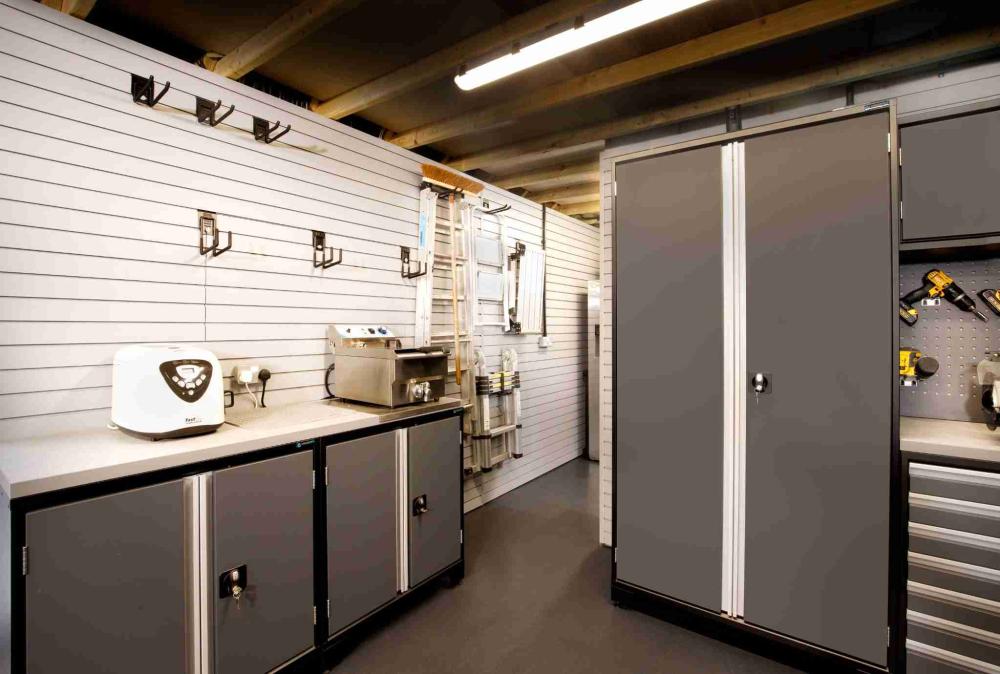
Choosing the right workbench dimensions is all about matching your workspace to your needs. Start by thinking about the types of projects and tools you’ll use. A compact workbench might suit electronics or crafts, while woodworking or automotive tasks often need a larger surface.
Measure your available space carefully. It’s easy to get excited and pick a big bench, but overcrowding can make your workshop frustrating to use. Always leave enough clearance for movement and safety.
Consider storage and accessibility. Drawers or shelves under the bench can help, but make sure you can reach everything easily. At GaragePride, we’ve learnt that planning for future expansion saves headaches later. A little extra space now can make a big difference as your needs grow.
Workbench Height: The Overlooked Dimension
Getting the workbench height right is crucial for comfort and safety. If your bench is too high or too low, you might end up with a sore back or aching shoulders after a long day. Standard heights usually fall between 34 and 38 inches, but the best height depends on your main tasks.
For woodworking, a slightly lower bench can help with control, while assembly work often benefits from a higher surface. Adjustable-height benches are a smart choice if several people use the same workspace. We’ve helped many clients avoid frustration by matching their workbench dimensions to their needs. For more ergonomic tips, see our guide to choosing workbench height for your garage.
Workbench Top Materials and Their Impact on Dimensions
Material choice really shapes your workbench dimensions and how it feels to use. Thicker tops, like chunky hardwood or steel, can add height, so you might need to adjust your frame to keep the workbench ergonomic. We’ve found that heavy materials, such as steel or dense MDF, often need a wider or deeper base for proper support and stability.
Each material brings its own quirks. Wood is classic and forgiving, but can flex if too thin. Steel is strong but heavy, while MDF is smooth but needs careful support. Always match your workbench top thickness and material to your intended use. For a deeper dive, see our Workbench Top Materials Explained.
Mobile vs. Fixed Workbenches: Does Size Matter?
When thinking about workbench dimensions, the choice between mobile and fixed benches really does matter. Mobile workbenches usually need to be more compact, so they can move easily around your workspace. Wheel size and clearance are important too, as small wheels can get stuck on uneven floors or clutter.
Fixed benches, on the other hand, can be larger and sturdier, giving you more workspace and storage. We’ve helped clients who felt frustrated by a mobile bench that was just too bulky to manoeuvre. Always consider your workflow and how much flexibility you need in your space. For more on this, see our guide on Mobile vs Fixed Workbenches.
Common Mistakes When Selecting Workbench Dimensions
Choosing the right workbench dimensions can be trickier than it looks. One common mistake is overestimating your available space and picking a bench that’s just too big. It’s frustrating when you can’t move around or open storage because the bench is in the way.
Ignoring ergonomic guidelines is another pitfall. If the workbench height is off, you’ll feel it in your back and shoulders after a long day. Always check reach and comfort before settling on a size.
We’ve noticed people often forget about storage and tool access. Plan for drawers or shelves so you’re not constantly searching for tools. And remember, workspaces change. Leave room for future upgrades or rearrangements to avoid headaches later.
Tips for Measuring and Planning Your Workbench Space
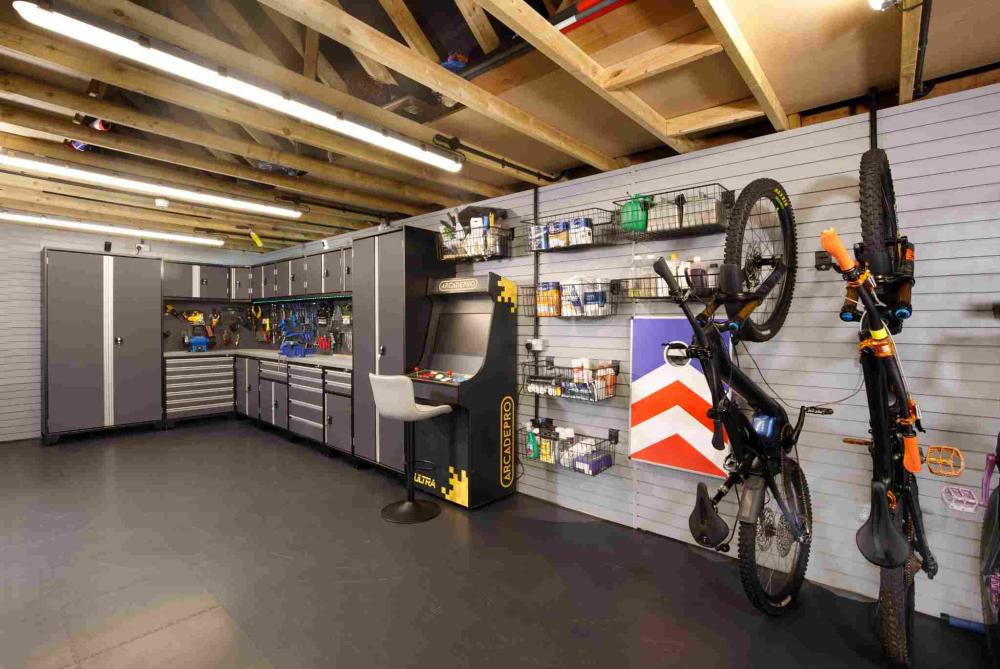
Getting your workbench dimensions right starts with a bit of hands-on planning. At GaragePride, we always recommend using masking tape to mark out your ideal bench size on the floor. This simple trick helps you see the space and spot any issues before you commit.
Make sure you leave enough room for walkways and tool clearance. It’s easy to underestimate how much space you’ll need to move around, especially in a busy garage or workshop. Wall-mounted storage can free up valuable workspace, making even a compact workbench feel bigger.
Always double-check your measurements before buying or building. We’ve had clients who rushed this step and ended up with a bench that blocked a door—frustrating lesson learned!
FAQ: Workbench Dimensions
-
What is the best depth for a general-purpose workbench?
A standard workbench depth is usually around 600mm to 800mm. This gives enough workspace for most tasks without making it hard to reach the back. We’ve found this depth works well for both DIY and professional use. -
How wide should a workbench be for woodworking?
For woodworking, a width of 1200mm to 1800mm is common. This gives you space for larger projects and tools. If you’re tight on space, even 900mm can work, but wider is usually more comfortable. -
Can I customise workbench dimensions for small spaces?
Absolutely. Custom workbench dimensions are a smart choice for compact garages or workshops. We’ve helped many clients fit a compact workbench into awkward corners, which can be a real triumph when space is limited. -
How do I choose the right height for my workbench?
Workbench height is key for comfort and safety. Most people find 850mm to 950mm works well, but it depends on your height and the tasks you do. If you’re unsure, try standing at a table and see what feels natural for your arms and back.
Conclusion
Getting your workbench dimensions right from the start saves you from cramped workspaces and wasted floor space. Whether you need a compact 1200mm bench for a small garage or a full 2000mm setup for serious projects, the right size makes every task easier.
At GaragePride, our workbench range includes multiple depth and width options to fit different garage layouts and working styles. Browse our garage workbenches to find the dimensions that match your space and needs.
Share Story


