
Workbench Weight Capacity Guide (Load Ratings & Safety Limits)
Loading too much weight onto a workbench that can't handle it is one of the fastest ways to damage your workspace. Understanding weight capacity means knowing what your bench can actually support without bending, cracking, or collapsing.
Most people don't think about load ratings until something goes wrong. A bench rated for 300kg might seem solid, but stacking heavy tools, clamping materials, and applying force during work can exceed that limit faster than expected. Here you'll learn how to read load ratings, understand distributed versus point loads, and spot warning signs of stress before damage happens.
What Is Workbench Weight Capacity?
Workbench weight capacity is the maximum weight a workbench can safely support without risk of damage or collapse. This load rating is set by the manufacturer after testing the bench’s frame strength, materials, and construction. Knowing your workbench’s weight limit is crucial for safe workbench use, especially when handling heavy tools or equipment.
Ignoring the maximum weight limit can lead to sudden failure, which is both frustrating and dangerous. Manufacturers usually label the safe working load clearly, but it’s important to remember this rating often assumes even load distribution. Some people think a heavy-duty workbench can handle anything, but overloading or poor weight distribution can still cause problems. Always check the specifications and inspect your bench regularly for signs of stress.
Factors That Affect Workbench Weight Capacity
Workbench weight capacity depends on a few key things. The material of the frame and top is crucial. Steel workbenches usually handle more weight than wooden or MDF ones, but the quality of construction matters just as much. If the joints are weak or the fasteners are flimsy, even a heavy-duty workbench can fail.
Leg support and bracing play a big part too. Strong legs, solid bracing, and tight fasteners help prevent wobbling or collapse. The way you spread weight across the surface also matters. Piling everything in one spot can push a bench past its maximum weight limit, even if the total load is within the workbench load rating.
For more on materials, see our Workbench Top Materials Explained.
Standard Workbench Weight Capacities by Type
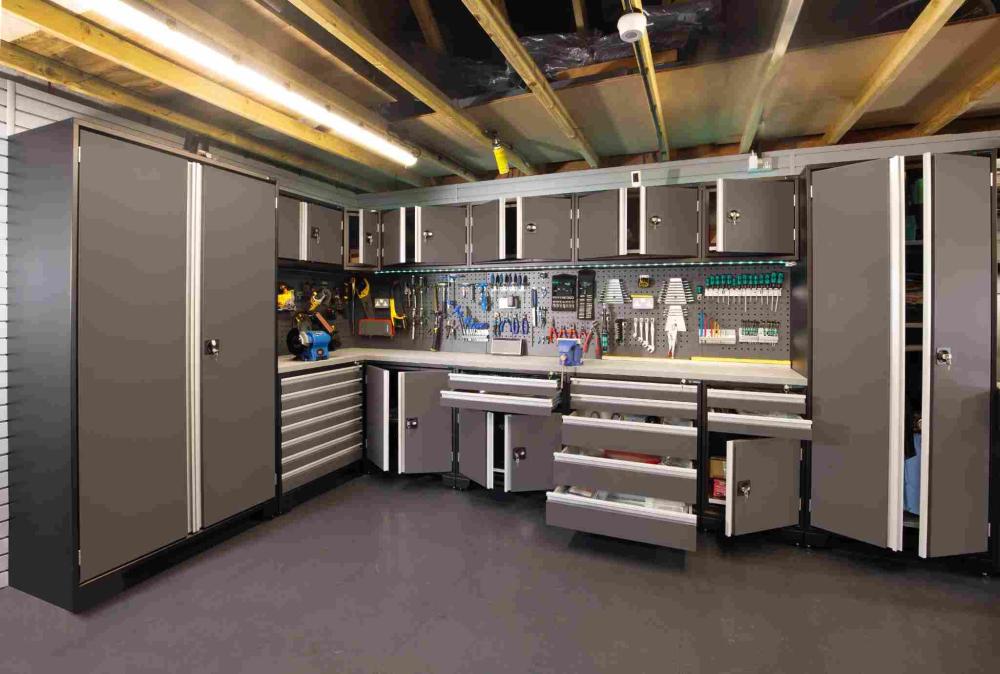
Workbench weight capacity varies a lot depending on the type. Light-duty workbenches, often found in home workshops, usually handle smaller tools and lighter projects. Medium-duty benches are a step up, suitable for most DIY tasks and some heavier equipment. Heavy-duty and industrial workbenches are built for serious loads, often supporting large machinery or heavy tool storage. Specialty options like mobile, folding, or modular workbenches tend to have lower maximum weight limits due to their design. Always check the manufacturer specifications, as these list the safe working load and sometimes distinguish between static and dynamic loads. We once had a client misread a spec sheet, leading to a wobbly bench—always double-check those numbers. For more on sizing, see our Workbench Dimensions Guide.
How to Calculate Your Required Workbench Weight Capacity
Figuring out your ideal workbench weight capacity is easier than it sounds. Start by listing the heaviest tools, equipment, or materials you’ll use on your bench. Don’t forget to include things like vices, power tools, or even storage drawers.
Think about whether your loads are static, like a heavy tool that just sits there, or dynamic, like hammering or moving engines. Dynamic loads put more stress on the frame and joints. Always add a safety margin, usually about 25 percent above your estimated maximum load, to avoid overloading risks.
At GaragePride, we’ve seen people regret not planning for future upgrades. It’s smart to consider what you might add later, so your bench stays safe and useful.
Safety Tips for Using Workbenches Within Weight Limits
Staying within your workbench weight capacity is key for safe workspaces. At GaragePride, we always remind clients to spread weight evenly across the bench, not just pile heavy tools in one spot. Uneven loads can stress the frame or cause the top to bow, especially with MDF or wooden workbenches.
Regular inspections are a must. Look for cracks, warping, or loose joints. If you spot any, stop using the bench until it’s sorted.
Avoid dropping heavy items or stacking concentrated loads. Sudden impacts can push a bench past its maximum weight limit, even if it’s rated for heavy-duty use.
If your needs grow, consider reinforcing or upgrading your bench. Sometimes, a future-proof workbench is the best lesson learned.
Common Mistakes When Assessing Workbench Weight Capacity
It’s easy to make mistakes when figuring out your workbench weight capacity. One common error is forgetting to count the weight of tools, equipment, and accessories. Even a few heavy power tools or a loaded vice can push a bench past its safe working load.
Another pitfall is trusting a DIY or modified bench to handle more than it should. We’ve had customers surprised when a homemade bench started to sag under what seemed like a normal load. Always check the frame strength and materials before adding extra weight.
Misreading manufacturer specifications is another trap. Look for the maximum weight limit and remember, that’s often for evenly distributed static loads, not for heavy items dropped in one spot.
If you add storage like drawers or shelving, it can lower the overall load rating. For more on this, see our guide to Workbench Storage Integration (Drawers, Cupboards & Shelving).
A few tips to avoid these mistakes:
-
Add up the total weight of everything on the bench, not just the main project.
-
Don’t assume a bench can handle more just because it “feels” sturdy.
-
Double-check the specs and look for any fine print about load distribution.
-
Consider how storage upgrades might affect the safe workbench use.
Taking a few minutes to check these details can save a lot of frustration and prevent costly damage.
How to Upgrade or Reinforce Your Workbench for Higher Loads
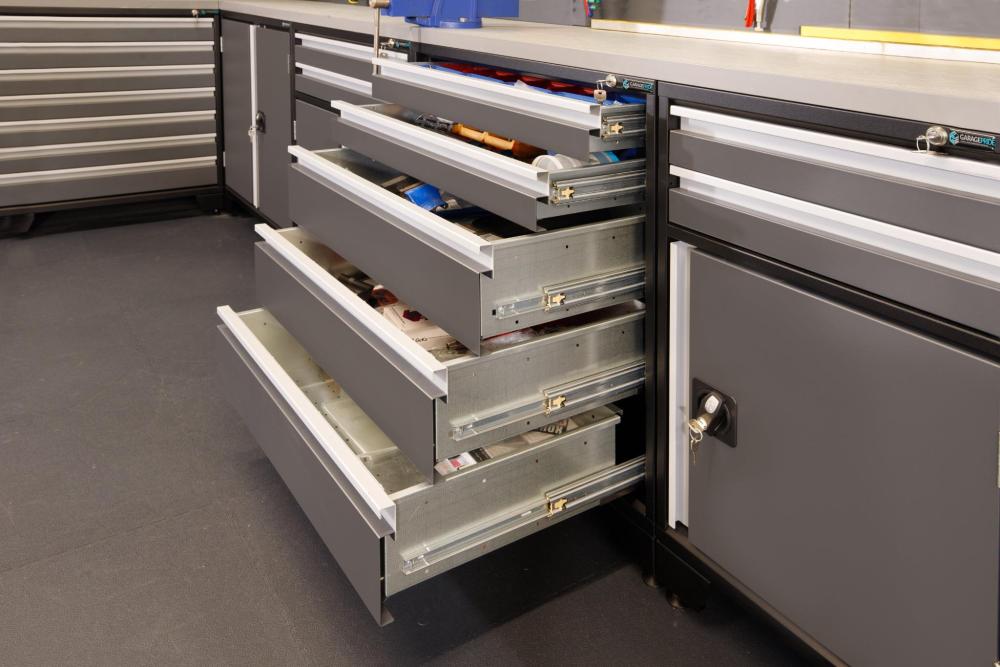
Boosting your workbench weight capacity can be straightforward with a few practical steps. Start by adding extra bracing or support beams under the workbench top and along the legs. This helps spread heavy loads and reduces wobble, especially for a home workshop bench or when using heavy tools.
Upgrading to stronger materials, like a thicker plywood or a steel frame, can make a big difference. Securing your workbench to the floor or wall adds stability and prevents tipping, which is vital for safe workbench use. If you spot cracks, sagging, or other signs of stress, sometimes it’s safer to replace the bench rather than reinforce it. We’ve found that regular inspection and small upgrades can prevent bigger headaches down the line.
Workbench Weight Capacity FAQ
-
How do I know if my workbench is overloaded?
Look for signs like sagging, creaking, or wobbling. If drawers or cupboards stick, or the top feels unstable, it’s time to check the load. Always compare your current load to the manufacturer’s maximum weight limit. -
Can I increase my workbench’s weight capacity?
Yes, sometimes. Reinforcing the frame, adding bracing, or upgrading the top can help. Just remember, the original construction and materials set the baseline, so improvements have limits. -
What happens if I exceed the recommended load limit?
Overloading risks sudden failure, damage, or even injury. We’ve seen benches collapse under heavy tools, which is frustrating and dangerous. Always stay within the safe working load for peace of mind. -
Are there industry standards for workbench weight ratings?
Most reputable manufacturers follow weight rating standards and list specifications. Always check these details before buying or upgrading. If in doubt, ask for clarification to ensure safe workbench use.
Conclusion
Understanding workbench weight capacity keeps your workspace safe and prevents expensive damage to tools and materials. Choosing a bench with the right load rating for your work means you can tackle heavy projects without second-guessing whether your setup will hold.
At GaragePride, our workbench range includes heavy-duty models rated from 300kg to 1500kg UDL, designed for serious workshop use. Browse our heavy-duty garage workbenches to find a bench built to handle your toughest projects.
Share Story


